5 Ways to Ensure Your Vehicle is Ready for Winter Driving
Posted On: December 11, 2023This content has been reviewed by Brian P. Hodgkiss
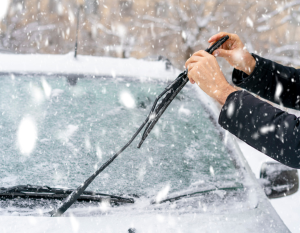
Winter driving in Wisconsin can be challenging due to the harsh weather conditions, including heavy snowfall and icy roads. Preparing your vehicle for winter weather is crucial to ensure your safety and the safety of others on the road.
You can minimize the risk of accidents and breakdowns by taking the necessary steps to prepare your vehicle for the cold season. If an accident does occur, contact a Green Bay car accident attorney who can help you with your claim.
A crucial step in preparing your vehicle for winter driving in Wisconsin is equipping it with winter tires. Winter tires are specially designed to provide better traction and control on snow and ice-covered roads. These tires have deeper treads and a rubber compound that remains flexible even in freezing temperatures, allowing them to grip the road better.
When choosing winter tires, make sure they are rated for severe winter conditions. Look for the Three-Peak Mountain Snowflake Symbol (3PMSF) on the tire sidewall. This symbol indicates the tires meet the required standards.
Install a complete set of winter tires on all four wheels for balanced traction. Keep a spare tire and the necessary tools in your trunk in case of a flat tire when traveling.
Cold weather can be brutal on your vehicle’s battery, causing it to lose power faster than in milder temperatures. A weak or dead battery can leave you stranded in freezing conditions, so checking your battery’s health before winter sets in is essential. Many auto repair shops and battery retailers offer free battery testing services.
If your battery is older than 3 to 5 years or showing signs of weakness, replacing it before winter arrives is a good idea. A reliable battery will ensure that your vehicle starts consistently in cold weather. You can find the manufacture date on the side or top of the battery.
Keep your battery terminals clean and corrosion-free, as this can affect its performance. Consider investing in a battery warmer or trickle charger to keep it in top condition during winter.
Maintaining proper fluid levels in your vehicle is essential for safe winter driving. Before traveling this winter, check the following fluids to ensure they are topped off and ready to handle extreme temperatures:
- Antifreeze/coolant. Ensure that your vehicle’s coolant is at the appropriate level and is a mix of antifreeze and water, typically 50/50, suitable for cold temperatures. This mixture prevents the engine’s cooling system from freezing, which can cause severe damage to your vehicle.
- Oil. Use the manufacturer-recommended oil weight for winter, as thicker oil can become sluggish in cold weather, making it harder for your engine to start.
- Windshield washer fluid. Switch to a winter-grade windshield washer fluid with antifreeze properties to prevent your washer fluid from freezing on the windshield.
- Transmission and brake fluids. Check and top up these fluids as needed to ensure smooth operation in cold weather.
- Power steering fluid. Ensure adequate power steering fluid levels to maintain control of your vehicle, especially in slippery conditions.
Properly functioning brakes and lights are critical for safe winter driving. Have your brakes inspected by a qualified mechanic to ensure they are in good condition. If you have worn brake pads or rotors, replace them to maintain optimal stopping power on icy roads.
Check all lights on your vehicle, including turn signals, headlights, brake lights, and taillights. Winter days are shorter, and snow and fog can make seeing objects ahead of you harder. Clear off your entire vehicle, including the lights, to ensure visibility if it’s recently snowed or sleeted.
Having well-functioning lights is crucial for your safety and the safety of other drivers. It’s also the law in Wisconsin. Statute 347.10 mandates that your lights should illuminate at least 100 feet and up to 350 feet ahead to operate on the road.
Prepare for the unexpected by creating an emergency kit to keep in your vehicle during the winter months. Your emergency kit should include items such as:
- Blankets or sleeping bags to stay warm if you get stuck in your vehicle
- Non-perishable food and water to sustain you in case you’re stranded for an extended period
- A flashlight with extra batteries to provide light during the night
- A first-aid kit to handle minor injuries
- Jumper cables to jumpstart your vehicle or help another stranded motorist
- A shovel, ice scraper, and snowbrush to clear snow and ice from your vehicle
- Road flares or reflective triangles to make your car more visible in case of a breakdown
- Sand or cat litter to provide traction under your tires if you get stuck in the snow
Get Legal Help After a Winter-Weather Crash
Preparing your vehicle for Wisconsin’s frigid winters is crucial for everyone’s safety. However, if another driver fails to take these precautions and their negligence results in an accident, you can hold them liable for your damages.
Our car accident attorneys at Brian Hodgkiss Injury Lawyers are skilled in defending the rights of those injured in winter-related crashes. We can investigate the crash, determine the cause, and file a compensation claim with the other driver’s insurance.
Contact our legal team today to set up a free consultation to discuss your case.
Contact Us for a Free Case Evaluation
"*" indicates required fields