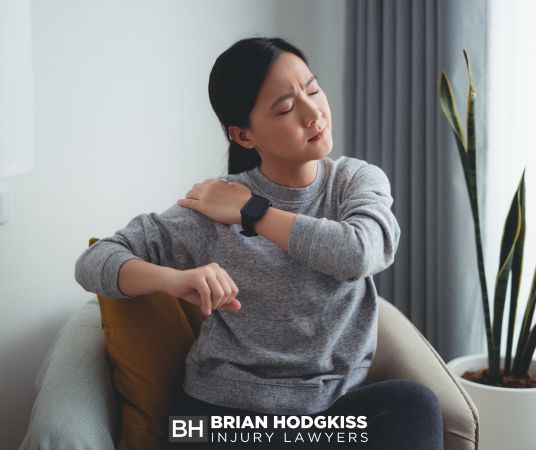
Back and Neck Injuries: Common Causes and Treatment Options
Posted On: December 23, 2024This content has been reviewed by Brian P. Hodgkiss
Do you suffer from back or neck pain? If so, you’re not alone. Roughly 8.2% of adults in the U.S. experience severe, ongoing back pain, while 30% of those with disabilities struggle with chronic neck pain.
Back and neck injuries frequently result from accidents like car crashes or gradually develop due to repetitive motions. These injuries can make everyday tasks and work routines painful and challenging, but with the proper treatment and medical attention, sufferers can alleviate their pain and improve their mobility.
Learn how your back and neck function and discover ways to keep them strong, prevent injuries, and manage discomfort. Also, find out how a skilled Wisconsin injury lawyer can help you seek compensation for injuries caused by another party’s negligence.
Understanding Back and Neck Injuries
The back and neck have a complex structure that supports movement and maintains stability in everyday activities. The spine, composed of vertebrae cushioned by discs, connects to ligaments, muscles, and nerves, enabling a broad range of motion.
While it offers support and flexibility, the back and neck are vulnerable to injuries from repetitive strain or sudden impacts. When a vertebra shifts or a disc slips out of place, whether from trauma or repetitive motions, it can cause pain and limit mobility.
Back and Neck Pain: Common Causes and Treatment Options
What causes back and neck pain? Often, everyday activities are to blame, but accidents like slips, falls, or car crashes can also contribute to spinal problems. Some common causes of back and neck pain and treatment options include:
- Car Accidents: Vehicle accidents are a leading cause of back and neck pain, resulting in injuries like whiplash or spinal fractures due to the sudden impact. These injuries can damage muscles, discs, or nerves, leading to immediate and long-term discomfort.
- Fall Incidents: Slips, trips, and falls at work or home often result in back or neck injuries. These accidents can lead to muscle strains, ligament sprains, or spinal fractures, causing immediate pain and, in some cases, long-term complications like paralysis.
- Overuse and Repetitive Motions: Repetitive tasks like heavy lifting, typing, or prolonged sitting place continuous strain on the neck and back. Over time, this pressure wears down muscles, joints, and discs, often leading to spinal issues and neck stiffness. For example, sitting for as little as four hours per day can contribute to spinal degeneration.
Preventing Back and Neck Pain: A Comprehensive Guide
Preventing back and neck pain often comes down to adopting the right habits and creating a supportive environment. From ergonomic desk setups and safe lifting practices to exercises that build muscle strength, these tips can help protect against pain and injury:
| Prevention Strategy | Description | Specific Tips |
| Healthy Work Environment | To reduce neck and back strain, arrange your desk with a supportive chair, eye-level screen, and keyboard at a comfortable height. | Use a footrest if needed to keep feet flat.Keep elbows at a 90-degree angle.Position your monitor 20-40 inches from your eyes. |
| Proper Lifting Techniques | Lift with your legs rather than your back, keep objects close to your body, and avoid twisting while carrying heavy items. | Bend your knees and squat down to pick up items.Tighten your core muscles for support.Avoid lifting objects over shoulder height. |
| Strengthening Exercises | Engage in regular exercises, like core strengthening and stretches, to support back and neck muscles and boost mobility. | Do planks to strengthen your core muscles.Practice chin tucks for neck support.Include yoga poses like “cat-cow” to increase spinal flexibility. |
| Safe Driving Practices | Adjust your driving position and vehicle settings to reduce the risk of neck and back injuries in the event of an accident. | Wear a seatbelt to stabilize the body during sudden stops and reduce neck and back strain.Position the headrest to align with the top of the head for improved neck support.Adjust the mirrors to minimize neck turning while driving. |
| Fall Prevention | Keep walkways clear, use handrails on stairs, and practice balance exercises to minimize the chances of slips and falls. | Install non-slip mats in bathrooms and kitchens.Wear shoes with good traction.Improve lighting in stairways and hallways. |
Seeking Medical Care and Treatment
While many cases of back and neck pain resolve with rest, exercise, and good ergonomics, some symptoms may require medical evaluation:
- Severe Pain: Intense pain that doesn’t improve with rest or over-the-counter pain relievers may indicate a more serious condition that requires professional assessment and treatment.
- Numbness or Tingling: If you experience numbness, tingling, or weakness in your limbs, it could be a sign of nerve compression or damage, which requires prompt attention.
- Limited Range of Motion: Difficulty moving your neck or back may be due to a structural issue that a healthcare provider should assess.
- Pain After an Accident: After a car accident or fall, consult a medical professional to rule out injuries that may not be immediately apparent, such as whiplash or spinal fractures.
A healthcare provider can help address the causes of back and neck pain with targeted treatments, such as physical therapy, medications, or specialized injections. Consulting a doctor also creates essential documentation, which can be valuable if you need to file a workers’ compensation or personal injury claim.
Get Legal Help for Back and Neck Injuries
If you or a loved one has suffered a back or neck injury due to an accident, unsafe work conditions, or someone else’s negligence, you may be entitled to compensation. At Brian Hodgkiss Injury Lawyers, our experienced attorneys can review your case and help you get fair compensation for your injuries. Contact us for a free, no-obligation case evaluation.
Contact Us for a Free Case Evaluation
"*" indicates required fields