Contact Us for a Free Case Evaluation
"*" indicates required fields

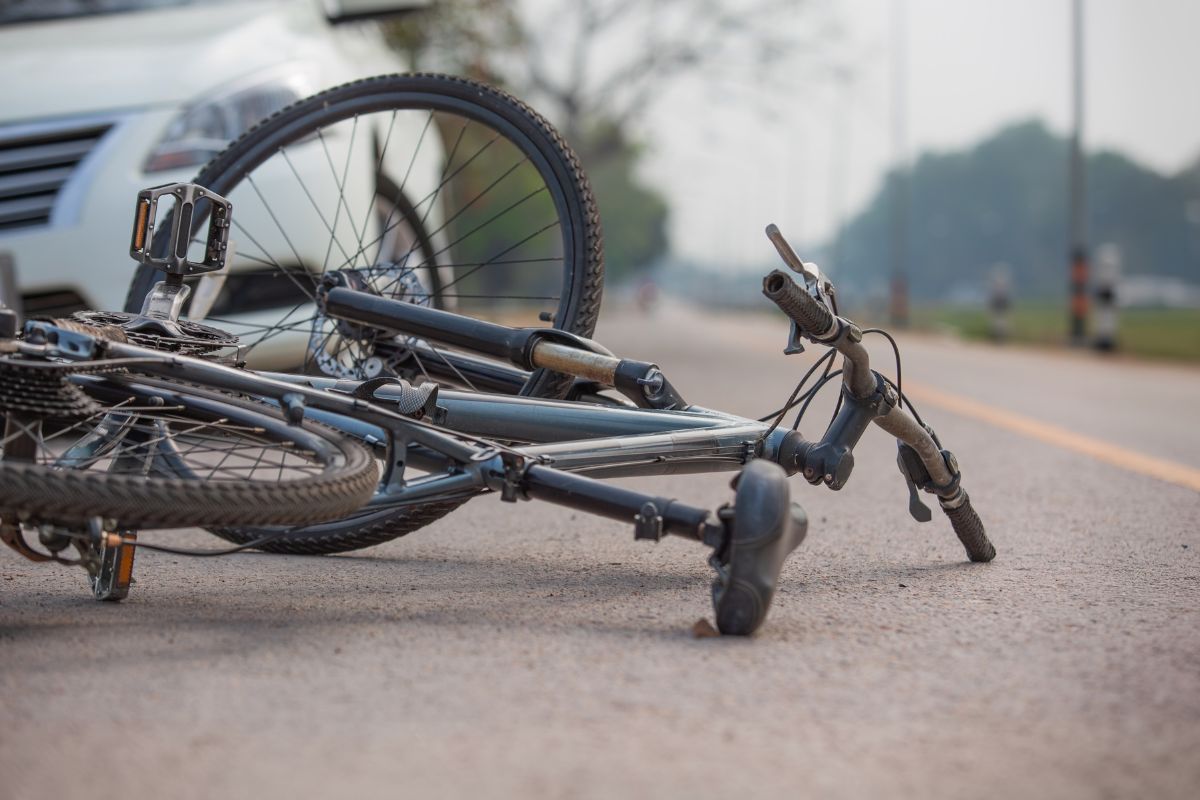
A bike ride through Green Bay should not end in an emergency room. When a driver turns without looking, opens a door in your path, or passes too close on Webster Avenue, you pay with broken bones, medical bills, and time away from work.
A Green Bay bicycle accident lawyer at Brian Hodgkiss Injury Lawyers can help you hold that driver accountable and pursue the compensation you need to recover. You focus on healing. We can handle the insurance company, the paperwork, and the deadlines that pile up after a crash.
Your first consultation is free, and with our No Fee Guarantee®, you owe no attorney fee unless we recover compensation for you. When you are hurt and unsure what comes next, you can reach out to our team and Bank on Brian.
How a Green Bay Bicycle Accident Lawyer Can Help After a Crash
After a crash, the driver’s insurance company goes to work fast, and not on your side. An adjuster may call within days, sound friendly, and push a recorded statement or an early settlement that rarely covers what your injuries will cost. Having your own advocate changes that. When you hire our firm, we can take that pressure off you.
Here’s what that looks like in practice:
- Investigate the Crash: We can gather the police report, photos, nearby video, and witness accounts before that evidence disappears.
- Deal With the Insurers: We can handle every call and letter so you are not talked into hurting your claim.
- Value Your Claim Fully: We can account for future medical care and lost earning capacity, not just the bills sitting on your kitchen table.
- Track the Deadlines: We can file everything on time to help ensure a missed date never costs you your case.
Video gets recorded over, and witnesses forget details, so the sooner someone protects your interests, the stronger your claim tends to be.
Common Causes of Bicycle Accidents in Green Bay
Most bike crashes in Green Bay aren’t the cyclist’s fault. They happen because a driver wasn’t paying attention or didn’t respect a rider’s space.
A few patterns come up again and again:
- Distracted Driving: A driver distracted by checking a phone drifts into the bike lane or rolls a stop sign without ever seeing the rider.
- Failure to Yield: Drivers turning left or pulling out of a driveway look for cars and miss a cyclist entirely.
- Unsafe Passing: Wisconsin’s three-foot passing law requires at least three feet of space when overtaking a bike, and close passes on busy stretches like Military Avenue put riders at real risk.
- Dooring: A parked driver swings a door open into the bike lane, leaving the rider no time to stop or swerve.
- Impaired Driving: Alcohol and drugs slow reaction time, and a cyclist is the least protected person on the road.
Green Bay adds its own hazards. Game-day traffic near Lambeau Field and the spots where the Fox River Trail crosses busy streets both call for extra caution.
Wisconsin Bicycle Laws Every Rider Should Know
Under Wisconsin law, a bicycle is a vehicle, and you have most of the same rights and responsibilities as a driver. You ride with traffic, obey signals, signal your turns, and keep right when it is safe. Drivers, in turn, have to treat you like any other vehicle and give you room.
The three-foot rule is the one every rider and driver should know. When a driver overtakes you, Wisconsin law requires at least three feet of clearance until they are safely past. When a driver ignores that and clips you from behind or sideswipes you, that violation can be strong evidence of fault in your claim.
Wisconsin also treats electric bikes much like regular bicycles. State law sorts e-bikes into three classes by speed and motor type and does not classify them as motor vehicles. Riders of legal e-bikes generally have the same road rights as other cyclists, which matters if an insurer argues that your e-bike changes who was responsible for the crash.
Wisconsin also does not require cyclists to wear a helmet. Whether you wore one can still come up when an insurer looks for a reason to shift blame.
Injuries Cyclists Often Suffer in Green Bay Crashes
With nothing between you and the pavement, even a low-speed collision can cause lasting harm.
The injuries we see in bicycle crashes tend to be serious:
- Road Rash: Deep abrasions can require skin grafts and weeks of wound care to prevent infection.
- Broken Bones: Wrists, collarbones, arms, and hips often break when a rider is thrown or pinned under a vehicle.
- Traumatic Brain Injuries: A concussion or worse can happen even with a helmet on, and the effects can last long after the crash. Our Green Bay traumatic brain injury lawyers can help when a head injury changes your life.
- Spinal Cord Injuries: Spine damage can cause lasting nerve pain, weakness, or paralysis.
- Internal Injuries: Organ damage and internal bleeding from blunt force are not always obvious at the scene.
Some of the most serious injuries, including brain bleeds and internal bleeding, may not show symptoms right away. Getting checked out at a hospital protects your health and builds the medical record your claim depends on.
What to Do After a Bicycle Accident in Green Bay
What you do in the first hours after a crash can shape both your health and your claim. If you are able, you should:
- Call 911. A police report creates an official record and gets medical help on the way.
- Get medical care right away. Tell the provider everything that hurts, even minor aches, so they can document it early.
- Document the scene. Photograph your bike, the vehicle, the road, and your injuries, and get the driver’s insurance.
- Collect witness details. A neutral witness can make the difference when a driver’s story does not match yours.
- Say little to the other insurer. You don’t have to give a recorded statement, and don’t admit fault before you know what happened.
- Keep your records. Save bills, note missed work, and keep anything related to the crash.
- Talk to a lawyer before you settle. An early offer is rarely the full value of your claim.
You do not have to do all of this alone. Once you contact our office, we can handle the parts you cannot manage from a hospital bed.
What If the Crash Was Partly Your Fault?
You can still recover money even if you were partly to blame. Wisconsin follows a rule called modified comparative negligence.
As long as you were not more at fault than the driver, you can pursue compensation, and your share of fault reduces your recovery. If you are found 20% at fault on a $100,000 claim, you recover $80,000. Reach 51%, though, and you are barred from recovering at all.
This is why insurers work so hard to pin blame on riders. They may argue you were not wearing a helmet, were riding too far left, or came off a trail without stopping.
We can push back with the police report, video, witness accounts, and, where it helps, a crash reconstruction. Keeping your share of fault low is often the difference between a fair recovery and a lowball offer.
Who Can Be Held Liable for a Green Bay Bicycle Accident?
The driver who hit you is the obvious place to start, but they are not always the only party responsible.
Depending on how the crash happened, a claim might involve:
- The At-Fault Driver: In most cases, the driver’s insurance is the primary source of compensation, and the process works much like a car accident claim.
- An Employer: If the driver was working, delivering, or driving a company vehicle, their employer may share responsibility.
- A Government Body: When a poorly maintained road, missing sign, or dangerous design contributed, a city or county could be liable. These claims carry a short deadline, so timing matters.
- A Manufacturer: If a defective bike part played a role, the manufacturer could be responsible.
Sorting out who is responsible takes investigation, and more than one party can share the blame. We can track down every source of compensation to help ensure you don’t miss anything that could help.
Compensation Available After a Bicycle Accident
A serious bike crash costs you in ways that go far beyond the first hospital bill. Wisconsin law lets injured cyclists pursue both the financial losses you can add up and the personal losses that are harder to put a number on.
You may be able to recover:
- Medical Expenses: Both the care you have already received and the treatment, therapy, and surgery still ahead
- Lost Income and Earning Capacity: Time off now and reduced ability to earn if your injuries last
- Property Damage: Repair or replacement of your bike and gear
- Pain and Suffering: The physical pain and the emotional toll of the crash and recovery
- Loss of Enjoyment of Life: When injuries keep you from the activities and routines that matter to you
When a bicycle crash takes a life, Wisconsin’s wrongful death law lets surviving family members seek compensation for funeral costs, lost financial support, and the loss of the person’s companionship. Wisconsin caps certain of these damages, so it helps to have someone explain what your family can pursue.
How Long Do You Have to File a Bicycle Accident Claim in Wisconsin?
In most bicycle injury cases, you have three years from the date of the crash to file a lawsuit under Wisconsin law. Miss that window, and you usually lose the right to pursue compensation, no matter how strong your case is.
One exception is critical, and it catches families off guard. When a bicycle crash involving a motor vehicle results in death, the wrongful death deadline is shorter at two years from the date of death, not three.
A fatal crash and a survivable one from the same collision can carry different deadlines, so a grieving family often has less time than they expect.
The clock is also much shorter when a government entity may be responsible for a dangerous road. In that case, you generally must file a formal notice of claim within 120 days. Because these deadlines move fast, it is worth talking to a lawyer early so filing on time is never the reason a claim falls apart.
Frequently Asked Questions
How Long Do I Have to File a Bicycle Accident Claim in Wisconsin?
In most cases, you have three years from the date of your bicycle accident to file a personal injury lawsuit in Wisconsin. If a crash involving a motor vehicle results in death, the wrongful death deadline drops to two years. Talk with a lawyer well before the deadline.
What If I Was Partly at Fault for the Bike Crash?
You can still recover compensation as long as you were not more at fault than the driver. Wisconsin reduces your recovery by your percentage of fault, and if you are 51% or more at fault, you cannot recover. Keeping your share of blame low, backed by solid evidence, matters.
Does Wisconsin Treat E-Bikes the Same as Regular Bicycles?
For the most part, yes. Wisconsin sorts e-bikes into three classes and gives their riders the same road rights as other cyclists, and it does not treat them as motor vehicles. If you were hurt on a legal e-bike, you generally have the same right to pursue a claim as any other rider.
Who Can Be Held Responsible for a Green Bay Bicycle Accident?
Often it is the at-fault driver, but responsibility can reach further. An employer, a government body responsible for a dangerous road, or the maker of a defective bike part may also share liability. Identifying every responsible party can open more sources of compensation.
What If the Driver Who Hit Me Did Not Have Insurance?
You may still have a path to compensation through your own uninsured motorist coverage, which can apply to bicycle crashes. Wisconsin drivers must carry insurance, but not everyone does. Reviewing every available policy is one of the first things a lawyer can do.
Does Not Wearing a Helmet Hurt My Claim in Wisconsin?
Wisconsin does not require cyclists to wear helmets, so riding without one is not illegal. An insurer may still try to use it to argue you share some blame for your injuries. An experienced lawyer can push back and keep the focus on the driver’s negligence.
How Much Does It Cost to Hire a Bicycle Accident Lawyer?
You pay nothing upfront. Brian Hodgkiss Injury Lawyers works on a contingency fee, and with our No Fee Guarantee®, you owe no attorney fee unless we recover compensation for you. Your first consultation is always free.
What Compensation Can I Recover After a Bicycle Accident?
You may be able to recover medical expenses, lost income and future earning capacity, property damage, and pain and suffering. If a crash is fatal, surviving family members may pursue a wrongful death claim. The right amount depends on the severity of your injuries and how the crash happened.
Bank on Brian After a Green Bay Bicycle Accident
A bike crash can leave you hurting, buried in bills, and unsure who to trust. You do not have to sort it out on your own. Brian Hodgkiss and our bicycle accident lawyers have helped injured people across Green Bay and Brown County stand up to insurance companies and pursue what they are owed, and we are ready to do the same for you.
Your first consultation is free. We are available 24/7, and with our No Fee Guarantee®, you owe no attorney fee unless we recover compensation for you. When you are ready, contact our Green Bay team and Bank on Brian.
Contact Us for a Free Case Evaluation
"*" indicates required fields
Green Bay Bicycle Accident Lawyers
A bike ride through Green Bay should not end in an emergency room. When a driver turns without looking, opens a door in your path, or passes too close on Webster Avenue, you pay with broken bones, medical bills, and time away from work.
A Green Bay bicycle accident lawyer at Brian Hodgkiss Injury Lawyers can help you hold that driver accountable and pursue the compensation you need to recover. You focus on healing. We can handle the insurance company, the paperwork, and the deadlines that pile up after a crash.
Your first consultation is free, and with our No Fee Guarantee®, you owe no attorney fee unless we recover compensation for you. When you are hurt and unsure what comes next, you can reach out to our team and Bank on Brian.
How a Green Bay Bicycle Accident Lawyer Can Help After a Crash
After a crash, the driver’s insurance company goes to work fast, and not on your side. An adjuster may call within days, sound friendly, and push a recorded statement or an early settlement that rarely covers what your injuries will cost. Having your own advocate changes that. When you hire our firm, we can take that pressure off you.
Here’s what that looks like in practice:
- Investigate the Crash: We can gather the police report, photos, nearby video, and witness accounts before that evidence disappears.
- Deal With the Insurers: We can handle every call and letter so you are not talked into hurting your claim.
- Value Your Claim Fully: We can account for future medical care and lost earning capacity, not just the bills sitting on your kitchen table.
- Track the Deadlines: We can file everything on time to help ensure a missed date never costs you your case.
Video gets recorded over, and witnesses forget details, so the sooner someone protects your interests, the stronger your claim tends to be.
Common Causes of Bicycle Accidents in Green Bay
Most bike crashes in Green Bay aren’t the cyclist’s fault. They happen because a driver wasn’t paying attention or didn’t respect a rider’s space.
A few patterns come up again and again:
- Distracted Driving: A driver distracted by checking a phone drifts into the bike lane or rolls a stop sign without ever seeing the rider.
- Failure to Yield: Drivers turning left or pulling out of a driveway look for cars and miss a cyclist entirely.
- Unsafe Passing: Wisconsin’s three-foot passing law requires at least three feet of space when overtaking a bike, and close passes on busy stretches like Military Avenue put riders at real risk.
- Dooring: A parked driver swings a door open into the bike lane, leaving the rider no time to stop or swerve.
- Impaired Driving: Alcohol and drugs slow reaction time, and a cyclist is the least protected person on the road.
Green Bay adds its own hazards. Game-day traffic near Lambeau Field and the spots where the Fox River Trail crosses busy streets both call for extra caution.
Wisconsin Bicycle Laws Every Rider Should Know
Under Wisconsin law, a bicycle is a vehicle, and you have most of the same rights and responsibilities as a driver. You ride with traffic, obey signals, signal your turns, and keep right when it is safe. Drivers, in turn, have to treat you like any other vehicle and give you room.
The three-foot rule is the one every rider and driver should know. When a driver overtakes you, Wisconsin law requires at least three feet of clearance until they are safely past. When a driver ignores that and clips you from behind or sideswipes you, that violation can be strong evidence of fault in your claim.
Wisconsin also treats electric bikes much like regular bicycles. State law sorts e-bikes into three classes by speed and motor type and does not classify them as motor vehicles. Riders of legal e-bikes generally have the same road rights as other cyclists, which matters if an insurer argues that your e-bike changes who was responsible for the crash.
Wisconsin also does not require cyclists to wear a helmet. Whether you wore one can still come up when an insurer looks for a reason to shift blame.
Injuries Cyclists Often Suffer in Green Bay Crashes
With nothing between you and the pavement, even a low-speed collision can cause lasting harm.
The injuries we see in bicycle crashes tend to be serious:
- Road Rash: Deep abrasions can require skin grafts and weeks of wound care to prevent infection.
- Broken Bones: Wrists, collarbones, arms, and hips often break when a rider is thrown or pinned under a vehicle.
- Traumatic Brain Injuries: A concussion or worse can happen even with a helmet on, and the effects can last long after the crash. Our Green Bay traumatic brain injury lawyers can help when a head injury changes your life.
- Spinal Cord Injuries: Spine damage can cause lasting nerve pain, weakness, or paralysis.
- Internal Injuries: Organ damage and internal bleeding from blunt force are not always obvious at the scene.
Some of the most serious injuries, including brain bleeds and internal bleeding, may not show symptoms right away. Getting checked out at a hospital protects your health and builds the medical record your claim depends on.
What to Do After a Bicycle Accident in Green Bay
What you do in the first hours after a crash can shape both your health and your claim. If you are able, you should:
- Call 911. A police report creates an official record and gets medical help on the way.
- Get medical care right away. Tell the provider everything that hurts, even minor aches, so they can document it early.
- Document the scene. Photograph your bike, the vehicle, the road, and your injuries, and get the driver’s insurance.
- Collect witness details. A neutral witness can make the difference when a driver’s story does not match yours.
- Say little to the other insurer. You don’t have to give a recorded statement, and don’t admit fault before you know what happened.
- Keep your records. Save bills, note missed work, and keep anything related to the crash.
- Talk to a lawyer before you settle. An early offer is rarely the full value of your claim.
You do not have to do all of this alone. Once you contact our office, we can handle the parts you cannot manage from a hospital bed.
What If the Crash Was Partly Your Fault?
You can still recover money even if you were partly to blame. Wisconsin follows a rule called modified comparative negligence.
As long as you were not more at fault than the driver, you can pursue compensation, and your share of fault reduces your recovery. If you are found 20% at fault on a $100,000 claim, you recover $80,000. Reach 51%, though, and you are barred from recovering at all.
This is why insurers work so hard to pin blame on riders. They may argue you were not wearing a helmet, were riding too far left, or came off a trail without stopping.
We can push back with the police report, video, witness accounts, and, where it helps, a crash reconstruction. Keeping your share of fault low is often the difference between a fair recovery and a lowball offer.
Who Can Be Held Liable for a Green Bay Bicycle Accident?
The driver who hit you is the obvious place to start, but they are not always the only party responsible.
Depending on how the crash happened, a claim might involve:
- The At-Fault Driver: In most cases, the driver’s insurance is the primary source of compensation, and the process works much like a car accident claim.
- An Employer: If the driver was working, delivering, or driving a company vehicle, their employer may share responsibility.
- A Government Body: When a poorly maintained road, missing sign, or dangerous design contributed, a city or county could be liable. These claims carry a short deadline, so timing matters.
- A Manufacturer: If a defective bike part played a role, the manufacturer could be responsible.
Sorting out who is responsible takes investigation, and more than one party can share the blame. We can track down every source of compensation to help ensure you don’t miss anything that could help.
Compensation Available After a Bicycle Accident
A serious bike crash costs you in ways that go far beyond the first hospital bill. Wisconsin law lets injured cyclists pursue both the financial losses you can add up and the personal losses that are harder to put a number on.
You may be able to recover:
- Medical Expenses: Both the care you have already received and the treatment, therapy, and surgery still ahead
- Lost Income and Earning Capacity: Time off now and reduced ability to earn if your injuries last
- Property Damage: Repair or replacement of your bike and gear
- Pain and Suffering: The physical pain and the emotional toll of the crash and recovery
- Loss of Enjoyment of Life: When injuries keep you from the activities and routines that matter to you
When a bicycle crash takes a life, Wisconsin’s wrongful death law lets surviving family members seek compensation for funeral costs, lost financial support, and the loss of the person’s companionship. Wisconsin caps certain of these damages, so it helps to have someone explain what your family can pursue.
How Long Do You Have to File a Bicycle Accident Claim in Wisconsin?
In most bicycle injury cases, you have three years from the date of the crash to file a lawsuit under Wisconsin law. Miss that window, and you usually lose the right to pursue compensation, no matter how strong your case is.
One exception is critical, and it catches families off guard. When a bicycle crash involving a motor vehicle results in death, the wrongful death deadline is shorter at two years from the date of death, not three.
A fatal crash and a survivable one from the same collision can carry different deadlines, so a grieving family often has less time than they expect.
The clock is also much shorter when a government entity may be responsible for a dangerous road. In that case, you generally must file a formal notice of claim within 120 days. Because these deadlines move fast, it is worth talking to a lawyer early so filing on time is never the reason a claim falls apart.
Frequently Asked Questions
How Long Do I Have to File a Bicycle Accident Claim in Wisconsin?
In most cases, you have three years from the date of your bicycle accident to file a personal injury lawsuit in Wisconsin. If a crash involving a motor vehicle results in death, the wrongful death deadline drops to two years. Talk with a lawyer well before the deadline.
What If I Was Partly at Fault for the Bike Crash?
You can still recover compensation as long as you were not more at fault than the driver. Wisconsin reduces your recovery by your percentage of fault, and if you are 51% or more at fault, you cannot recover. Keeping your share of blame low, backed by solid evidence, matters.
Does Wisconsin Treat E-Bikes the Same as Regular Bicycles?
For the most part, yes. Wisconsin sorts e-bikes into three classes and gives their riders the same road rights as other cyclists, and it does not treat them as motor vehicles. If you were hurt on a legal e-bike, you generally have the same right to pursue a claim as any other rider.
Who Can Be Held Responsible for a Green Bay Bicycle Accident?
Often it is the at-fault driver, but responsibility can reach further. An employer, a government body responsible for a dangerous road, or the maker of a defective bike part may also share liability. Identifying every responsible party can open more sources of compensation.
What If the Driver Who Hit Me Did Not Have Insurance?
You may still have a path to compensation through your own uninsured motorist coverage, which can apply to bicycle crashes. Wisconsin drivers must carry insurance, but not everyone does. Reviewing every available policy is one of the first things a lawyer can do.
Does Not Wearing a Helmet Hurt My Claim in Wisconsin?
Wisconsin does not require cyclists to wear helmets, so riding without one is not illegal. An insurer may still try to use it to argue you share some blame for your injuries. An experienced lawyer can push back and keep the focus on the driver’s negligence.
How Much Does It Cost to Hire a Bicycle Accident Lawyer?
You pay nothing upfront. Brian Hodgkiss Injury Lawyers works on a contingency fee, and with our No Fee Guarantee®, you owe no attorney fee unless we recover compensation for you. Your first consultation is always free.
What Compensation Can I Recover After a Bicycle Accident?
You may be able to recover medical expenses, lost income and future earning capacity, property damage, and pain and suffering. If a crash is fatal, surviving family members may pursue a wrongful death claim. The right amount depends on the severity of your injuries and how the crash happened.
Bank on Brian After a Green Bay Bicycle Accident
A bike crash can leave you hurting, buried in bills, and unsure who to trust. You do not have to sort it out on your own. Brian Hodgkiss and our bicycle accident lawyers have helped injured people across Green Bay and Brown County stand up to insurance companies and pursue what they are owed, and we are ready to do the same for you.
Your first consultation is free. We are available 24/7, and with our No Fee Guarantee®, you owe no attorney fee unless we recover compensation for you. When you are ready, contact our Green Bay team and Bank on Brian.
