Contact Us for a Free Case Evaluation
"*" indicates required fields

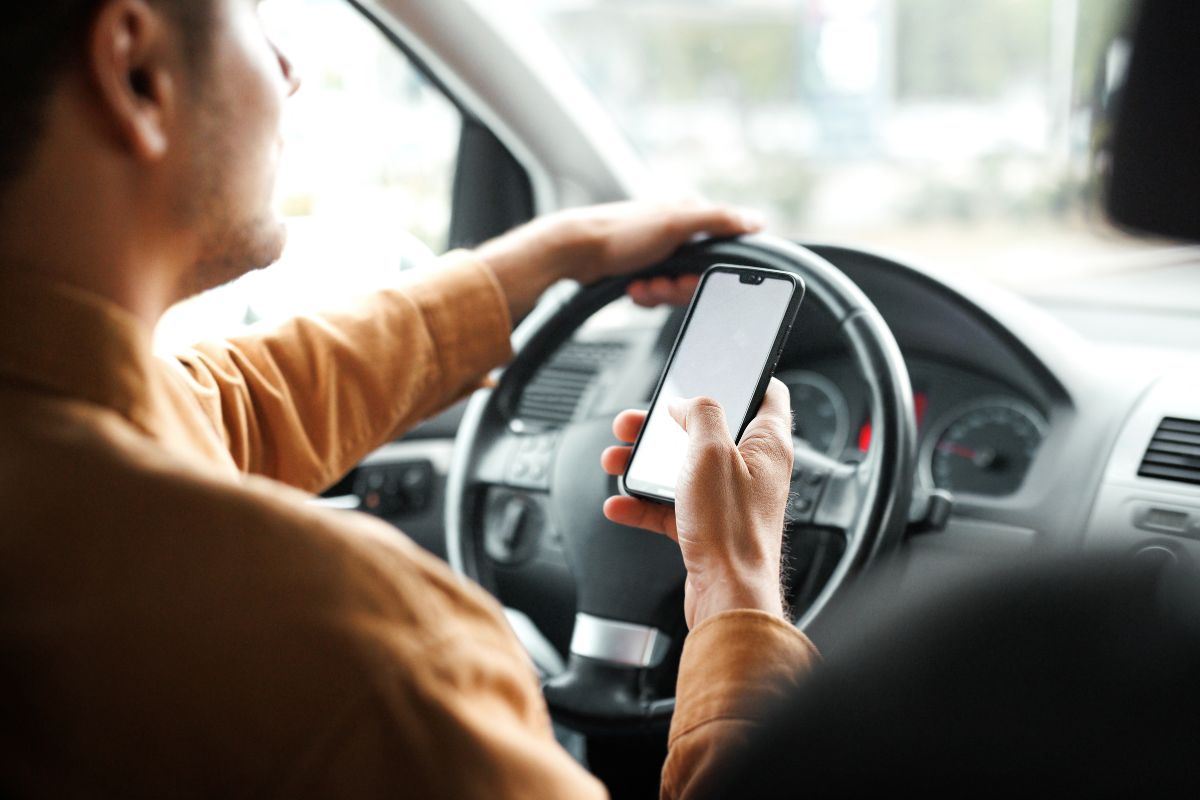
A driver glances at a text for five seconds, and at highway speed, their car covers the length of a football field with their eyes off the road. If a distracted driver hurt you in the Fox Cities, you already know how quickly that one moment can change your life.
A distracted driving accident lawyer at Brian Hodgkiss Injury Lawyers can help you prove what happened, deal with the insurance company, and pursue the compensation you need to recover. Contact Bank on Brian for a free consultation, and remember our No Fee Guarantee means you pay nothing unless we recover for you.
This page explains how distracted driving changes a car accident claim in Wisconsin, what evidence proves a driver was not paying attention, and what your case may be worth. If you would rather talk it through now, contact our Appleton office any time.
What Counts as Distracted Driving in Wisconsin?
Distracted driving is any activity that pulls a driver’s focus away from operating the vehicle safely, and Wisconsin law does not limit it to phones. Safety researchers group these distractions into three types, and the most serious crashes usually involve more than one at once.
- Visual Distraction: Anything that takes the eyes off the road, such as reading a text, checking a map, or looking at a passenger.
- Manual Distraction: Anything that takes a hand off the wheel, such as eating, adjusting controls, or reaching for a phone.
- Cognitive Distraction: Anything that takes the mind off driving, such as a heated phone call or daydreaming through an intersection.
Texting is the most dangerous because it involves all three at once. The driver looks away, takes a hand off the wheel, and stops thinking about the road, all in the few seconds it takes to cause a collision.
Wisconsin Distracted Driving and Cell Phone Laws
Wisconsin has several laws aimed at distracted driving, and breaking one can be strong evidence that a driver was negligent. Under Wis. Stat. section 346.89, no driver may text or email behind the wheel or be so occupied with any activity that it interferes with safe driving. Officers can stop and ticket a driver for texting alone, without any other violation.
The rules are stricter for some drivers and locations:
- New Drivers: Anyone with a probationary license or instruction permit may not use a cell phone at all while driving, except to report an emergency.
- Construction and Work Zones: All drivers are barred from using a handheld device in an active work zone, other than to call for help.
- Video Screens: Drivers may not view a screen that is playing entertainment in a position where they can see it.
A distracted driving ticket in Wisconsin can carry a fine and demerit points, and a texting violation in particular adds demerit points along with meaningful fines and court costs. When a distracted driver causes serious injury or death, the consequences can move beyond a traffic ticket into criminal charges and civil liability for the harm caused.
How a Lawyer Proves a Driver Was Distracted
Distraction is rarely something a driver admits, so proving it takes the kind of investigation most people cannot run on their own. That is where an experienced car accident lawyer makes the difference. We build the case from several sources at once, so no single piece has to carry it.
- The Police Report and Scene Evidence: Officer observations, citations, photos, skid marks, and the position of the vehicles all help reconstruct what happened.
- Witness Statements: Other drivers, passengers, and bystanders often saw the at-fault driver looking down or holding a phone.
- Phone and App Records: Cell phone records, text and data logs, and app activity can show whether the driver was using the device at the moment of impact.
- Dashcam and Surveillance Video: Footage from your car, nearby businesses, or traffic cameras can capture the seconds before a crash.
- Vehicle Data: Many newer vehicles store speed, braking, and infotainment information that an investigator can pull and read.
Some of this evidence disappears quickly. Video gets recorded over and phone records can require a formal request to preserve. The sooner a lawyer starts, the more of it can be preserved.
Proving fault also means satisfying the four elements of negligence: that the driver owed you a duty of care, breached it, caused the crash, and caused your losses. A violation of Wisconsin’s distracted driving laws often goes a long way toward showing that breach. These same principles apply across different Appleton car accident cases.
What to Do at the Scene of a Suspected Distracted Driving Crash
What you do in the first minutes after a crash can protect both your health and your claim. If you are able, take these steps.
- Call 911. Get medical help and obtain an official police record of the crash.
- Get checked by a doctor. Some injuries, including concussions and soft-tissue damage, do not show up right away. Prompt treatment also ties your injuries to the crash.
- Document everything. Photograph the vehicles, the road, traffic signals, and any visible injuries. Note where the other driver’s phone was if you can see it.
- Gather information. Collect the other driver’s name, insurance, and plate number, along with names and numbers for any witnesses.
- Be careful with insurers. You do not have to give the other driver’s insurance company a recorded statement. What you say can be used to reduce your payout.
Compensation After an Appleton Distracted Driving Crash
Wisconsin is an at-fault, or tort, state, which means the driver who caused the crash and their insurance company are responsible for the harm they caused. You can pursue compensation for both your financial losses and the toll the crash has taken on your life.
Economic Damages
These cover measurable costs, including current and future medical bills, lost wages, reduced earning capacity, and vehicle repair or replacement.
Noneconomic Damages
These cover the harder-to-measure effects of an injury, including pain and suffering, disability or disfigurement, and the loss of activities you once enjoyed.
Wisconsin follows a modified comparative negligence rule. As long as you are not more than 50 percent at fault, you can still recover, though your compensation is reduced by your share of the blame. At 51 percent or more, you cannot recover at all. That is why the other side works so hard to shift blame, and why having a lawyer protect your version of events matters.
When a Distracted Driving Crash Is Fatal
When a distracted driver causes a death, Wisconsin law allows certain surviving family members to bring a wrongful death claim. A spouse, domestic partner, children, or parents may be able to recover for medical and funeral costs, lost financial support, and the loss of the love and companionship of the person they lost. Speaking with a lawyer early helps protect a grieving family’s options while memories and evidence are still fresh.
How Long Do Distracted Driving Claims Take?
There is no single timeline. A clear-fault claim with a quick recovery may resolve in months, while a serious-injury case can take a year or more, especially in litigation. The deadline to file, however, does not wait. Wisconsin sets a firm statute of limitations under Wis. Stat. section 893.54, and a much shorter notice deadline can apply if a government vehicle was involved. Starting early gives your lawyer time to build the strongest case rather than racing a clock.
Frequently Asked Questions
What Evidence Does a Lawyer Need to Prove Someone Was Driving Distracted?
A lawyer builds the case from several sources at once: the police report, witness statements, phone and app records, dashcam or surveillance video, and data stored in the vehicle. No single piece has to prove distraction on its own, and together they can show what the driver was doing in the seconds before the crash.
How Long Do Distracted Driving Injury Claims Usually Take to Resolve?
It depends on the case. Minor injury claims with clear fault can settle in a few months, while serious cases often take a year or more, particularly if a lawsuit is filed. The length of your medical treatment and the insurer’s willingness to negotiate are usually the biggest factors.
What Types of Compensation Can I Recover After a Distracted Driving Crash?
You can pursue economic damages such as medical bills, lost wages, and property damage, along with noneconomic damages such as pain and suffering and loss of enjoyment of life. The amount depends on the severity of your injuries and how they affect your life and work.
What Are Wisconsin’s Cell Phone and Texting Laws and Penalties?
Texting while driving is illegal for all drivers in Wisconsin under Wis. Stat. section 346.89, and handheld devices are banned in work zones and for drivers with a probationary license or an instruction permit. Violations can bring fines and demerit points, and a crash that causes injury can lead to criminal charges in addition to civil liability.
What Should I Do at the Scene if I Think the Other Driver Was Distracted?
Call 911, get medical attention, and document the scene with photos, including the other driver’s phone if you can safely see it. Gather contact and insurance details and the names of any witnesses. Avoid giving the other driver’s insurer a recorded statement before you speak with a lawyer.
Can Phone Records, GPS, or Dashcam Footage Prove Distracted Driving?
Yes. Phone and app records can show whether a device was in use at the time of the crash, while GPS, dashcam, and surveillance video can capture the moments before impact. Because some of this evidence is quickly erased or overwritten, it helps to involve a lawyer who can act to preserve it.
What if I Was Partly at Fault for the Crash?
You can still recover as long as you were not more than 50 percent at fault, though your compensation is reduced by your share of the blame. Because insurers often try to shift fault onto you, it helps to have a lawyer protect your account of what happened.
Talk to an Appleton Distracted Driving Lawyer Today.
If a distracted driver injured you or someone you love in Appleton or anywhere in the Fox Cities, you do not have to sort it out alone. Brian Hodgkiss and our car accident team can investigate what happened, handle the insurance company, and fight for what you are owed while you focus on healing. Contact us for a free consultation today. With our No Fee Guarantee, you owe nothing unless we recover compensation for you.
Contact Us for a Free Case Evaluation
"*" indicates required fields
Appleton Distracted Driving Accident Lawyers
A driver glances at a text for five seconds, and at highway speed, their car covers the length of a football field with their eyes off the road. If a distracted driver hurt you in the Fox Cities, you already know how quickly that one moment can change your life.
A distracted driving accident lawyer at Brian Hodgkiss Injury Lawyers can help you prove what happened, deal with the insurance company, and pursue the compensation you need to recover. Contact Bank on Brian for a free consultation, and remember our No Fee Guarantee means you pay nothing unless we recover for you.
This page explains how distracted driving changes a car accident claim in Wisconsin, what evidence proves a driver was not paying attention, and what your case may be worth. If you would rather talk it through now, contact our Appleton office any time.
What Counts as Distracted Driving in Wisconsin?
Distracted driving is any activity that pulls a driver’s focus away from operating the vehicle safely, and Wisconsin law does not limit it to phones. Safety researchers group these distractions into three types, and the most serious crashes usually involve more than one at once.
- Visual Distraction: Anything that takes the eyes off the road, such as reading a text, checking a map, or looking at a passenger.
- Manual Distraction: Anything that takes a hand off the wheel, such as eating, adjusting controls, or reaching for a phone.
- Cognitive Distraction: Anything that takes the mind off driving, such as a heated phone call or daydreaming through an intersection.
Texting is the most dangerous because it involves all three at once. The driver looks away, takes a hand off the wheel, and stops thinking about the road, all in the few seconds it takes to cause a collision.
Wisconsin Distracted Driving and Cell Phone Laws
Wisconsin has several laws aimed at distracted driving, and breaking one can be strong evidence that a driver was negligent. Under Wis. Stat. section 346.89, no driver may text or email behind the wheel or be so occupied with any activity that it interferes with safe driving. Officers can stop and ticket a driver for texting alone, without any other violation.
The rules are stricter for some drivers and locations:
- New Drivers: Anyone with a probationary license or instruction permit may not use a cell phone at all while driving, except to report an emergency.
- Construction and Work Zones: All drivers are barred from using a handheld device in an active work zone, other than to call for help.
- Video Screens: Drivers may not view a screen that is playing entertainment in a position where they can see it.
A distracted driving ticket in Wisconsin can carry a fine and demerit points, and a texting violation in particular adds demerit points along with meaningful fines and court costs. When a distracted driver causes serious injury or death, the consequences can move beyond a traffic ticket into criminal charges and civil liability for the harm caused.
How a Lawyer Proves a Driver Was Distracted
Distraction is rarely something a driver admits, so proving it takes the kind of investigation most people cannot run on their own. That is where an experienced car accident lawyer makes the difference. We build the case from several sources at once, so no single piece has to carry it.
- The Police Report and Scene Evidence: Officer observations, citations, photos, skid marks, and the position of the vehicles all help reconstruct what happened.
- Witness Statements: Other drivers, passengers, and bystanders often saw the at-fault driver looking down or holding a phone.
- Phone and App Records: Cell phone records, text and data logs, and app activity can show whether the driver was using the device at the moment of impact.
- Dashcam and Surveillance Video: Footage from your car, nearby businesses, or traffic cameras can capture the seconds before a crash.
- Vehicle Data: Many newer vehicles store speed, braking, and infotainment information that an investigator can pull and read.
Some of this evidence disappears quickly. Video gets recorded over and phone records can require a formal request to preserve. The sooner a lawyer starts, the more of it can be preserved.
Proving fault also means satisfying the four elements of negligence: that the driver owed you a duty of care, breached it, caused the crash, and caused your losses. A violation of Wisconsin’s distracted driving laws often goes a long way toward showing that breach. These same principles apply across different Appleton car accident cases.
What to Do at the Scene of a Suspected Distracted Driving Crash
What you do in the first minutes after a crash can protect both your health and your claim. If you are able, take these steps.
- Call 911. Get medical help and obtain an official police record of the crash.
- Get checked by a doctor. Some injuries, including concussions and soft-tissue damage, do not show up right away. Prompt treatment also ties your injuries to the crash.
- Document everything. Photograph the vehicles, the road, traffic signals, and any visible injuries. Note where the other driver’s phone was if you can see it.
- Gather information. Collect the other driver’s name, insurance, and plate number, along with names and numbers for any witnesses.
- Be careful with insurers. You do not have to give the other driver’s insurance company a recorded statement. What you say can be used to reduce your payout.
Compensation After an Appleton Distracted Driving Crash
Wisconsin is an at-fault, or tort, state, which means the driver who caused the crash and their insurance company are responsible for the harm they caused. You can pursue compensation for both your financial losses and the toll the crash has taken on your life.
Economic Damages
These cover measurable costs, including current and future medical bills, lost wages, reduced earning capacity, and vehicle repair or replacement.
Noneconomic Damages
These cover the harder-to-measure effects of an injury, including pain and suffering, disability or disfigurement, and the loss of activities you once enjoyed.
Wisconsin follows a modified comparative negligence rule. As long as you are not more than 50 percent at fault, you can still recover, though your compensation is reduced by your share of the blame. At 51 percent or more, you cannot recover at all. That is why the other side works so hard to shift blame, and why having a lawyer protect your version of events matters.
When a Distracted Driving Crash Is Fatal
When a distracted driver causes a death, Wisconsin law allows certain surviving family members to bring a wrongful death claim. A spouse, domestic partner, children, or parents may be able to recover for medical and funeral costs, lost financial support, and the loss of the love and companionship of the person they lost. Speaking with a lawyer early helps protect a grieving family’s options while memories and evidence are still fresh.
How Long Do Distracted Driving Claims Take?
There is no single timeline. A clear-fault claim with a quick recovery may resolve in months, while a serious-injury case can take a year or more, especially in litigation. The deadline to file, however, does not wait. Wisconsin sets a firm statute of limitations under Wis. Stat. section 893.54, and a much shorter notice deadline can apply if a government vehicle was involved. Starting early gives your lawyer time to build the strongest case rather than racing a clock.
Frequently Asked Questions
What Evidence Does a Lawyer Need to Prove Someone Was Driving Distracted?
A lawyer builds the case from several sources at once: the police report, witness statements, phone and app records, dashcam or surveillance video, and data stored in the vehicle. No single piece has to prove distraction on its own, and together they can show what the driver was doing in the seconds before the crash.
How Long Do Distracted Driving Injury Claims Usually Take to Resolve?
It depends on the case. Minor injury claims with clear fault can settle in a few months, while serious cases often take a year or more, particularly if a lawsuit is filed. The length of your medical treatment and the insurer’s willingness to negotiate are usually the biggest factors.
What Types of Compensation Can I Recover After a Distracted Driving Crash?
You can pursue economic damages such as medical bills, lost wages, and property damage, along with noneconomic damages such as pain and suffering and loss of enjoyment of life. The amount depends on the severity of your injuries and how they affect your life and work.
What Are Wisconsin’s Cell Phone and Texting Laws and Penalties?
Texting while driving is illegal for all drivers in Wisconsin under Wis. Stat. section 346.89, and handheld devices are banned in work zones and for drivers with a probationary license or an instruction permit. Violations can bring fines and demerit points, and a crash that causes injury can lead to criminal charges in addition to civil liability.
What Should I Do at the Scene if I Think the Other Driver Was Distracted?
Call 911, get medical attention, and document the scene with photos, including the other driver’s phone if you can safely see it. Gather contact and insurance details and the names of any witnesses. Avoid giving the other driver’s insurer a recorded statement before you speak with a lawyer.
Can Phone Records, GPS, or Dashcam Footage Prove Distracted Driving?
Yes. Phone and app records can show whether a device was in use at the time of the crash, while GPS, dashcam, and surveillance video can capture the moments before impact. Because some of this evidence is quickly erased or overwritten, it helps to involve a lawyer who can act to preserve it.
What if I Was Partly at Fault for the Crash?
You can still recover as long as you were not more than 50 percent at fault, though your compensation is reduced by your share of the blame. Because insurers often try to shift fault onto you, it helps to have a lawyer protect your account of what happened.
Talk to an Appleton Distracted Driving Lawyer Today.
If a distracted driver injured you or someone you love in Appleton or anywhere in the Fox Cities, you do not have to sort it out alone. Brian Hodgkiss and our car accident team can investigate what happened, handle the insurance company, and fight for what you are owed while you focus on healing. Contact us for a free consultation today. With our No Fee Guarantee, you owe nothing unless we recover compensation for you.
