Contact Us for a Free Case Evaluation
"*" indicates required fields

When Property Owners Fail, Families Pay the Price.
When we visit a business, stay at a hotel, or park in a commercial garage, we inherently expect a basic level of safety. Unfortunately, that trust is broken when property owners ignore obvious safety risks, leaving visitors vulnerable to preventable harm. This is where the legal concept of negligent security comes into play. As a branch of premises liability law, it holds property owners accountable if they fail to implement basic, common-sense security measures—such as adequate lighting, working locks, or proper security personnel—in areas where criminal activity is a known risk. While the law recognizes that no one can prevent every random crime, it firmly establishes that property owners must take reasonable steps to protect you when danger is foreseeable.
If you or a loved one was harmed because a property owner failed to protect you, you don’t have to navigate the legal aftermath alone. The experienced premises liability lawyers at Brian Hodgkiss Injury Lawyers are ready to stand up for your rights and help you secure the compensation you deserve.
Contact us for a free, confidential consultation, and let our dedicated team fight for the justice and peace of mind you deserve.
Common Security Failures in Appleton and the Fox Cities
Foreseeability is the heart of these cases. Prior criminal incidents on or near a property, unresolved tenant complaints, broken lighting, or industry-wide security standards all establish what a property owner knew—or should have known—before your loved one was hurt. When they ignored those warning signs, they breached their duty of care.
Common security failures we see across Appleton include:
- Burned-out lighting in parking lots and stairwells
- Malfunctioning door locks in apartment complexes
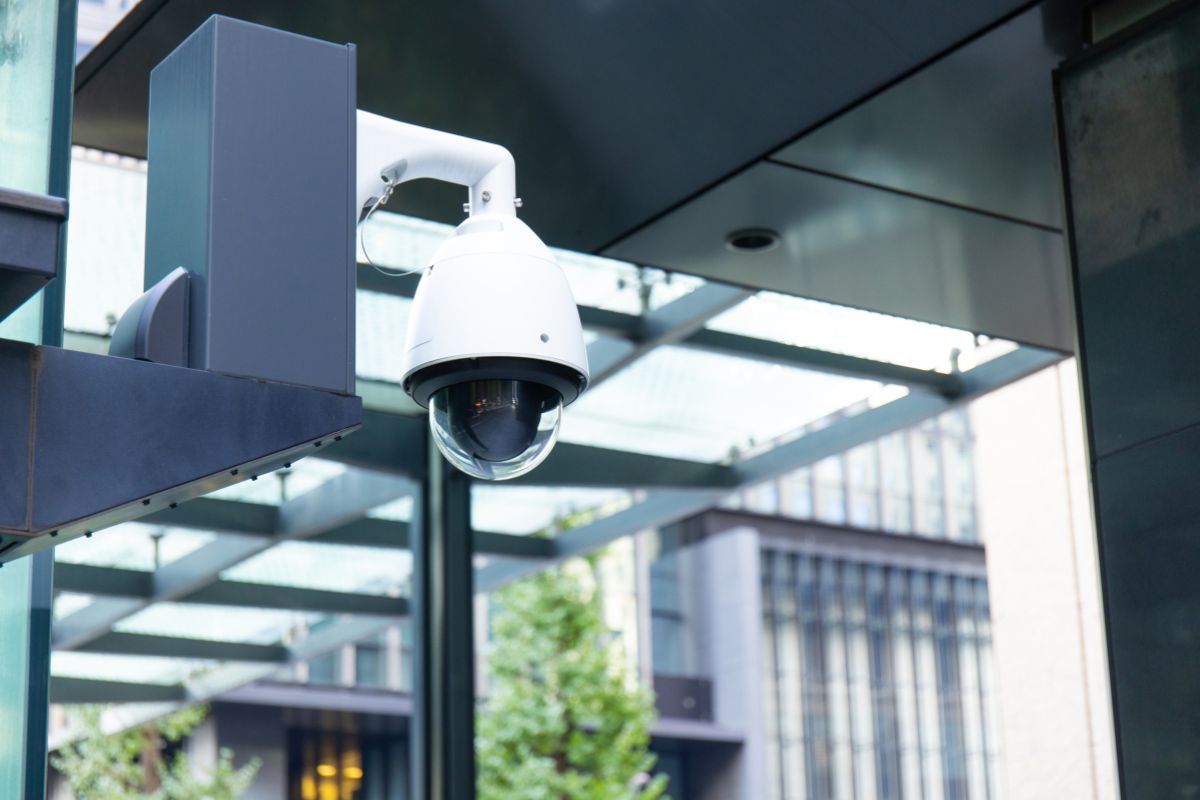
- Absent surveillance cameras in high-risk areas
- Inadequate background checks for employees with building access
- Failure to staff security personnel at bars and nightclubs where violence is foreseeable
How Do I Know If I Have a Negligent Security Claim in Wisconsin?
You likely have a claim if a property owner’s security failure made a criminal act possible, and that act caused your loved one’s injuries. Four elements must connect:
- The owner owed a duty of care.
- They breached it through inadequate security.
- The crime was foreseeable given prior incidents or known risks.
- Your family suffered real damages as a result.
Evidence matters enormously here. Security camera footage is deleted within days. Witness memories fade quickly. Physical signs of security failures, such as broken gates or burned-out bulbs, are repaired once a lawsuit is threatened. That’s why acting fast protects your ability to build a strong case. Our premises liability team investigates crime statistics, pulls police reports, inspects properties, and consults security experts to establish exactly what the owner knew and when they knew it.
What Compensation Can I Recover in a Negligent Security Case?
Families pursuing negligent security claims in Wisconsin can recover both economic and non-economic damages. Economic damages include all medical expenses — emergency care, surgeries, hospitalization, physical therapy, psychological counseling, and future treatment costs — as well as lost wages and diminished earning capacity if the injuries prevent your loved one from returning to work.
Non-economic damages cover the full human cost: physical pain and suffering, emotional distress, PTSD, anxiety, depression, loss of enjoyment of life, and permanent scarring or disfigurement. In cases involving egregious negligence or willful disregard for safety, Wisconsin law also allows punitive damages designed to punish the property owner and deter similar conduct in the future.
Our results speak clearly: we recovered $7.9 million for a client whose case began with an initial offer of just $300,000. When insurance companies undervalue what your family has lost, we fight back.
Can I Sue a Bar or Nightclub for Negligent Security in Wisconsin?
Yes. Establishments serving alcohol carry a heightened duty to protect patrons from foreseeable violence. College Avenue in downtown Appleton is home to numerous bars and nightlife venues where inadequate security staffing, poor crowd management, and failure to intervene in escalating situations can create dangerous conditions.
If your loved one was assaulted at a bar or nightclub, the venue may be liable for negligent security. If the attacker was over-served alcohol before the incident, Wisconsin’s dram shop law may provide an additional avenue for recovery. These two claims can work together to maximize your family’s compensation.
How Long Do I Have to File a Negligent Security Lawsuit in Wisconsin?
Wisconsin’s statute of limitations generally gives injury victims three years from the date of the incident to file a personal injury lawsuit. However, certain circumstances—including claims involving government-owned property or wrongful death cases—can significantly shorten that window. Missing the deadline means permanently losing your right to compensation, regardless of how strong your case is.
Because evidence disappears quickly and deadlines are unforgiving, the sooner you contact our team, the stronger your position. We move fast to preserve surveillance footage, secure witness statements, and document the security failures before they’re corrected or concealed.
Appleton and Fox Cities Locations Where These Claims Arise
Brian Hodgkiss Injury Lawyers serves clients across Appleton and the broader Fox Cities region, and we know these communities deeply.
Negligent security claims arise throughout the area:
- Apartment complexes across Appleton where landlords fail to maintain functioning locks and secure entry systems
- Parking structures downtown and along Wisconsin Avenue
- Fox River Mall and surrounding retail centers
- Hotels and budget motels along major thoroughfares
- Gas stations and convenience stores operating late-night hours
- ATM locations in isolated or poorly lit areas
Each of these venues carries a legal duty to protect the people who use them. When they fall short, we hold them accountable.
What To Do After a Negligent Security Incident
First, seek immediate medical attention, even if injuries seem manageable at first.
- ThedaCare Regional Medical Center-Appleton
Located at 1818 North Meade Street, this Level II trauma center delivers specialized emergency treatment, advanced surgical interventions, and extensive rehabilitation services designed for patients with serious injuries, including spinal cord damage and traumatic brain injuries. - Ascension NE Wisconsin – St. Elizabeth Hospital
At 1506 South Oneida Street, St. Elizabeth Hospital provides round-the-clock emergency care, with expertise in critical care, orthopedics, and neurological services, serving as an essential facility for individuals suffering catastrophic injuries throughout the Fox Cities area.
Survivors of sexual assault should request a Sexual Assault Nurse Examiner, who is trained to provide compassionate care and preserve forensic evidence.
Second, preserve everything. Photograph the scene, your injuries, and any visible security failures. Request copies of any incident reports. Identify witnesses before they leave. Do not give recorded statements to the property owner’s insurance company before speaking with an attorney, as those statements are often used to minimize your claim or shift blame onto your family.
Real Results, Real Clients, Real Justice
“[Brian Hodgkiss] made dealing with this whole incident feel so much less overwhelming for me. I very much appreciated the honesty and transparency… I felt Attorney Hodgkiss truly advocated for me to make sure I got everything he thought I deserved. I highly recommend this firm.” — Natalie K., via Google Reviews
Brian Hodgkiss Injury Lawyers has built a reputation for taking cases that others walk away from. Our determination drives every negligent security case we take.
Property owners and their insurers fight these claims hard. They argue the crime was unforeseeable, that they met industry standards, or that your loved one bears some responsibility. We know every one of these tactics—and we know how to dismantle them.
Frequently Asked Questions About Negligent Security Claims
Do I Have to Be a Customer to Have a Claim?
No. Duty of care extends to business invitees, tenants, and, in many cases, social guests. If you or a loved one had a right to be on the property, the owner likely owed them a duty of reasonable security.
What if the Criminal Was Never Caught or Convicted?
A criminal conviction is not required to pursue a civil negligent security claim. The legal standard in civil cases is lower than in criminal court, and liability can be established through evidence of the owner’s security failures regardless of whether the perpetrator was identified.
What if the Property Owner Says They Had No Prior Incidents?
Prior incidents on the specific property aren’t the only measure of foreseeability. Crime statistics for the surrounding area, industry standards for similar venues, and known security vulnerabilities all factor into what a reasonable property owner should have anticipated.
How Much Does It Cost to Hire Brian Hodgkiss Injury Lawyers?
Nothing upfront. Our No Fee Guarantee® means you pay nothing unless we recover compensation for you. We handle negligent security cases on a contingency fee basis, removing every financial barrier between your family and the justice you deserve.
Can Family Members File a Claim if a Loved One Was Killed?
Yes. Surviving spouses, parents, adult children, and estate representatives may have standing to pursue a wrongful death claim when inadequate security contributed to a fatal incident. These cases can recover funeral expenses, loss of financial support, and loss of companionship.
Contact Our Appleton Negligent Security Lawyers Today
Your family shouldn’t bear the cost of someone else’s negligence. If you were injured on property that lacked sufficient security, you may be eligible for compensation to cover your injuries and other damages. Contact the premises liability lawyers at Brian Hodgkiss Injury Lawyers to start your free case review today. Bank on Brian!
Contact Us for a Free Case Evaluation
"*" indicates required fields
Appleton Negligent Security Lawyers
When Property Owners Fail, Families Pay the Price.
When we visit a business, stay at a hotel, or park in a commercial garage, we inherently expect a basic level of safety. Unfortunately, that trust is broken when property owners ignore obvious safety risks, leaving visitors vulnerable to preventable harm. This is where the legal concept of negligent security comes into play. As a branch of premises liability law, it holds property owners accountable if they fail to implement basic, common-sense security measures—such as adequate lighting, working locks, or proper security personnel—in areas where criminal activity is a known risk. While the law recognizes that no one can prevent every random crime, it firmly establishes that property owners must take reasonable steps to protect you when danger is foreseeable.
If you or a loved one was harmed because a property owner failed to protect you, you don’t have to navigate the legal aftermath alone. The experienced premises liability lawyers at Brian Hodgkiss Injury Lawyers are ready to stand up for your rights and help you secure the compensation you deserve.
Contact us for a free, confidential consultation, and let our dedicated team fight for the justice and peace of mind you deserve.
Common Security Failures in Appleton and the Fox Cities
Foreseeability is the heart of these cases. Prior criminal incidents on or near a property, unresolved tenant complaints, broken lighting, or industry-wide security standards all establish what a property owner knew—or should have known—before your loved one was hurt. When they ignored those warning signs, they breached their duty of care.
Common security failures we see across Appleton include:
- Burned-out lighting in parking lots and stairwells
- Malfunctioning door locks in apartment complexes
- Absent surveillance cameras in high-risk areas
- Inadequate background checks for employees with building access
- Failure to staff security personnel at bars and nightclubs where violence is foreseeable
How Do I Know If I Have a Negligent Security Claim in Wisconsin?
You likely have a claim if a property owner’s security failure made a criminal act possible, and that act caused your loved one’s injuries. Four elements must connect:
- The owner owed a duty of care.
- They breached it through inadequate security.
- The crime was foreseeable given prior incidents or known risks.
- Your family suffered real damages as a result.
Evidence matters enormously here. Security camera footage is deleted within days. Witness memories fade quickly. Physical signs of security failures, such as broken gates or burned-out bulbs, are repaired once a lawsuit is threatened. That’s why acting fast protects your ability to build a strong case. Our premises liability team investigates crime statistics, pulls police reports, inspects properties, and consults security experts to establish exactly what the owner knew and when they knew it.
What Compensation Can I Recover in a Negligent Security Case?
Families pursuing negligent security claims in Wisconsin can recover both economic and non-economic damages. Economic damages include all medical expenses — emergency care, surgeries, hospitalization, physical therapy, psychological counseling, and future treatment costs — as well as lost wages and diminished earning capacity if the injuries prevent your loved one from returning to work.
Non-economic damages cover the full human cost: physical pain and suffering, emotional distress, PTSD, anxiety, depression, loss of enjoyment of life, and permanent scarring or disfigurement. In cases involving egregious negligence or willful disregard for safety, Wisconsin law also allows punitive damages designed to punish the property owner and deter similar conduct in the future.
Our results speak clearly: we recovered $7.9 million for a client whose case began with an initial offer of just $300,000. When insurance companies undervalue what your family has lost, we fight back.
Can I Sue a Bar or Nightclub for Negligent Security in Wisconsin?
Yes. Establishments serving alcohol carry a heightened duty to protect patrons from foreseeable violence. College Avenue in downtown Appleton is home to numerous bars and nightlife venues where inadequate security staffing, poor crowd management, and failure to intervene in escalating situations can create dangerous conditions.
If your loved one was assaulted at a bar or nightclub, the venue may be liable for negligent security. If the attacker was over-served alcohol before the incident, Wisconsin’s dram shop law may provide an additional avenue for recovery. These two claims can work together to maximize your family’s compensation.
How Long Do I Have to File a Negligent Security Lawsuit in Wisconsin?
Wisconsin’s statute of limitations generally gives injury victims three years from the date of the incident to file a personal injury lawsuit. However, certain circumstances—including claims involving government-owned property or wrongful death cases—can significantly shorten that window. Missing the deadline means permanently losing your right to compensation, regardless of how strong your case is.
Because evidence disappears quickly and deadlines are unforgiving, the sooner you contact our team, the stronger your position. We move fast to preserve surveillance footage, secure witness statements, and document the security failures before they’re corrected or concealed.
Appleton and Fox Cities Locations Where These Claims Arise
Brian Hodgkiss Injury Lawyers serves clients across Appleton and the broader Fox Cities region, and we know these communities deeply.
Negligent security claims arise throughout the area:
- Apartment complexes across Appleton where landlords fail to maintain functioning locks and secure entry systems
- Parking structures downtown and along Wisconsin Avenue
- Fox River Mall and surrounding retail centers
- Hotels and budget motels along major thoroughfares
- Gas stations and convenience stores operating late-night hours
- ATM locations in isolated or poorly lit areas
Each of these venues carries a legal duty to protect the people who use them. When they fall short, we hold them accountable.
What To Do After a Negligent Security Incident
First, seek immediate medical attention, even if injuries seem manageable at first.
- ThedaCare Regional Medical Center-Appleton
Located at 1818 North Meade Street, this Level II trauma center delivers specialized emergency treatment, advanced surgical interventions, and extensive rehabilitation services designed for patients with serious injuries, including spinal cord damage and traumatic brain injuries. - Ascension NE Wisconsin – St. Elizabeth Hospital
At 1506 South Oneida Street, St. Elizabeth Hospital provides round-the-clock emergency care, with expertise in critical care, orthopedics, and neurological services, serving as an essential facility for individuals suffering catastrophic injuries throughout the Fox Cities area.
Survivors of sexual assault should request a Sexual Assault Nurse Examiner, who is trained to provide compassionate care and preserve forensic evidence.
Second, preserve everything. Photograph the scene, your injuries, and any visible security failures. Request copies of any incident reports. Identify witnesses before they leave. Do not give recorded statements to the property owner’s insurance company before speaking with an attorney, as those statements are often used to minimize your claim or shift blame onto your family.
Real Results, Real Clients, Real Justice
“[Brian Hodgkiss] made dealing with this whole incident feel so much less overwhelming for me. I very much appreciated the honesty and transparency… I felt Attorney Hodgkiss truly advocated for me to make sure I got everything he thought I deserved. I highly recommend this firm.” — Natalie K., via Google Reviews
Brian Hodgkiss Injury Lawyers has built a reputation for taking cases that others walk away from. Our determination drives every negligent security case we take.
Property owners and their insurers fight these claims hard. They argue the crime was unforeseeable, that they met industry standards, or that your loved one bears some responsibility. We know every one of these tactics—and we know how to dismantle them.
Frequently Asked Questions About Negligent Security Claims
Do I Have to Be a Customer to Have a Claim?
No. Duty of care extends to business invitees, tenants, and, in many cases, social guests. If you or a loved one had a right to be on the property, the owner likely owed them a duty of reasonable security.
What if the Criminal Was Never Caught or Convicted?
A criminal conviction is not required to pursue a civil negligent security claim. The legal standard in civil cases is lower than in criminal court, and liability can be established through evidence of the owner’s security failures regardless of whether the perpetrator was identified.
What if the Property Owner Says They Had No Prior Incidents?
Prior incidents on the specific property aren’t the only measure of foreseeability. Crime statistics for the surrounding area, industry standards for similar venues, and known security vulnerabilities all factor into what a reasonable property owner should have anticipated.
How Much Does It Cost to Hire Brian Hodgkiss Injury Lawyers?
Nothing upfront. Our No Fee Guarantee® means you pay nothing unless we recover compensation for you. We handle negligent security cases on a contingency fee basis, removing every financial barrier between your family and the justice you deserve.
Can Family Members File a Claim if a Loved One Was Killed?
Yes. Surviving spouses, parents, adult children, and estate representatives may have standing to pursue a wrongful death claim when inadequate security contributed to a fatal incident. These cases can recover funeral expenses, loss of financial support, and loss of companionship.
Contact Our Appleton Negligent Security Lawyers Today
Your family shouldn’t bear the cost of someone else’s negligence. If you were injured on property that lacked sufficient security, you may be eligible for compensation to cover your injuries and other damages. Contact the premises liability lawyers at Brian Hodgkiss Injury Lawyers to start your free case review today. Bank on Brian!
