Contact Us for a Free Case Evaluation
"*" indicates required fields

A traumatic brain injury (TBI) can change a person’s life in seconds. Across Wisconsin, the impact of TBIs is significant and widespread.
TBIs range from mild concussions to severe, life-threatening damage. Even “mild” injuries can cause persistent symptoms that interfere with work, relationships, and daily functioning. When others’ negligence causes TBIs, victims may have the right to pursue compensation.
If you or a loved one suffered a TBI in Appleton, an experienced traumatic personal injury lawyer can help you understand your legal options. At Brian Hodgkiss Injury Lawyers, we represent individuals and families living with the aftermath of brain injuries and work to pursue compensation that accounts for both immediate and long-term needs.
Contact us today for a free case review.
What Is a Traumatic Brain Injury?
A TBI occurs when a sudden impact, jolt, or blow to the head disrupts normal brain function. TBIs can also result from penetrating injuries or violent shaking that causes the brain to move within the skull. Because the brain controls memory, movement, speech, behavior, and vital bodily functions, even a single injury can have far-reaching effects.
TBIs are generally classified by severity:
- Mild (concussions): Headaches, confusion, dizziness, or temporary memory loss
- Moderate: Longer periods of disorientation, persistent cognitive symptoms, or neurological complications
- Severe: Extended unconsciousness, significant brain damage, or permanent disability
TBI symptoms aren’t always immediately obvious. A person may initially appear stable but develop worsening cognitive, emotional, or physical symptoms in the days or weeks after an accident. For this reason, fast medical attention is critical after any head injury.
In Appleton, TBIs are frequently caused by car crashes on busy corridors like College Avenue and I-41, workplace incidents in local manufacturing facilities, and falls in residential or commercial settings. Understanding how a TBI happened is important when determining whether negligence played a role.
Signs and Symptoms of Traumatic Brain Injuries
The symptoms of TBIs can vary widely depending on the severity of the injury and which part of the brain was affected. Because brain injuries are complex, their effects can change as recovery progresses.
Common symptoms of TBIs include:
Physical Symptoms
- Persistent headaches or migraines
- Dizziness or balance problems
- Nausea or vomiting
- Sensitivity to light or noise
- Fatigue or unusual drowsiness
- Blurred vision
Cognitive Symptoms
- Memory loss
- Difficulty concentrating or focusing
- Slowed thinking or confusion
- Trouble processing information
Emotional and Behavioral Symptoms
- Mood swings
- Irritability or personality changes
- Anxiety or depression
- Increased impulsivity
Sleep-Related Symptoms
- Difficulty falling or staying asleep
- Sleeping more or less than usual
- Feeling unrested despite adequate sleep
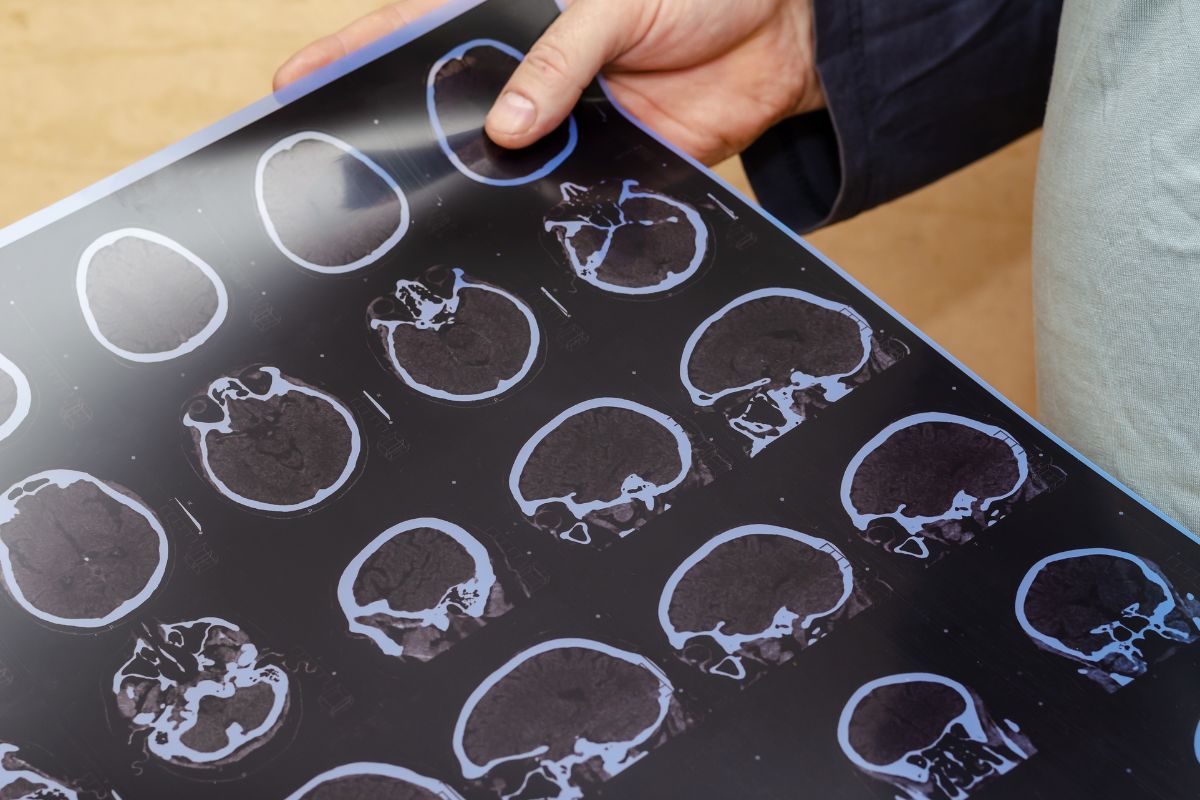
Family members can notice changes before the injured person does, especially in mood or behavior. Because TBIs don’t always appear on standard imaging tests, careful documentation of symptoms and ongoing medical evaluation are important.
In Appleton, people who suffer TBIs can have their injuries properly diagnosed and treated at ThedaCare Regional Medical Center-Appleton or Ascension NE Wisconsin-St. Elizabeth Hospital. Both facilities offer access to advanced diagnostic imaging and specialists.
Living With the Long-Term Effects of Traumatic Brain Injuries
For many victims, the effects of a TBI don’t end after initial treatment. While some people recover fully, others experience ongoing challenges that affect daily life. The long-term impact of TBIs can be physical, cognitive, emotional, and financial.
People living with TBIs may experience:
- Ongoing memory and concentration problems
- Reduced ability to work or perform previous job duties
- Chronic headaches or neurological symptoms
- Changes in personality or mood
- Increased dependence on family members for support
Even moderate injuries can cause lasting cognitive impairment that interferes with employment and independence. In more severe cases, TBIs can lead to permanent disability requiring long-term medical care, rehabilitation, or assisted living support.
Victims may find themselves navigating therapy appointments, neurological evaluations, and workplace accommodations while trying to maintain financial stability. The cost of ongoing care, rehabilitation, and lost income can quickly add up.
Because TBIs can evolve, any legal claim should account not only for immediate medical expenses but also for anticipated future needs.
Contact our team of personal injury attorneys today. We have the knowledge and experience to fight on your behalf and make sure long-term consequences are fully considered when pursuing compensation.
Common Causes of Traumatic Brain Injuries
TBIs can result from a wide range of accidents. In 2023, the state reported 1,487 TBI-related deaths, more than 4,200 hospitalizations, and over 13,000 emergency room visits linked to brain injuries. Unintentional falls were the leading cause of TBI-related hospitalizations and emergency visits, while firearms and falls were among the top causes of TBI-related deaths.
In Appleton and the surrounding Fox Valley area, brain injuries often occur in everyday situations where negligence plays a role.
Some of the most common causes of TBIs are:
- Motor vehicle crashes
- Rear-end and side-impact collisions
- Slip- or Trip-and-Falls
- Workplace incidents
- Bicycle and pedestrian accidents
- Outdoor and recreational injuries
Even when there’s no visible head wound, the force of impact alone can cause a TBI. Sudden acceleration and deceleration are common causes of brain trauma.
How Traumatic Brain Injuries Are Proven in Personal Injury Claims
Proving a TBI in a personal injury claim often requires more than showing that an accident occurred. Because brain injuries are sometimes invisible on standard imaging and symptoms can change over time, building a strong case requires detailed medical and factual evidence.
To recover compensation for TBIs in Wisconsin, it generally must be shown that:
- Another party owed a duty of care.
- That duty was breached through negligent or reckless conduct.
- The breach directly caused the injury.
- The injury resulted in measurable damages.
In TBI cases, evidence may include emergency room records, neurological evaluations, imaging studies, and documentation of cognitive or behavioral changes. Testimony from medical providers and rehabilitation specialists is also important in demonstrating the severity and long-term impact of the injury.
Brian Hodgkiss Injury Lawyers has served this community for years, and we understand the nuances of Wisconsin personal injury law. We can gather medical records, consult with professionals, and present a clear picture of how the injury has affected you and your family.
What to Do After a Suspected Traumatic Brain Injury
If you think you or a loved one has suffered a TBI, taking the right steps early can protect both your health and your legal rights.
After a suspected brain injury, take the following steps:
- Seek immediate medical evaluation, even if symptoms seem mild.
- Follow all recommended treatment plans and attend follow-up appointments.
- Document symptoms as they develop, including headaches, memory issues, mood changes, or sleep disturbances.
- Don’t return to work or drive until cleared by a doctor.
- Keep any evidence related to the accident, like photos and witness information.
Wisconsin residents have access to several TBI prevention and support programs offered by organizations like the Brain Injury Resource Center of Wisconsin, the Wisconsin Department of Health Services, and the Brain Injury Association of Wisconsin.
We can put you in touch with these groups and other helpful resources.
Brian Hodgkiss Injury Lawyers Can Help
TBIs often involve complex medical evidence, evolving symptoms, and significant long-term consequences. At Brian Hodgkiss Injury Lawyers, we work with individuals and families throughout the Fox Valley region who are navigating the challenges that follow a serious brain injury.
Our team can investigate what happened, gather documentation, and show the full impact of your injury. TBIs can affect employment, independence, and family life, and we work to pursue compensation that reflects both current expenses and future needs. Throughout the process, we handle communication with insurers and opposing parties so you can focus on recovery and stability.
Speak With an Appleton Traumatic Brain Injury Lawyer Today
If you or a loved one has suffered a traumatic brain injury in Appleton, you may have legal options. An experienced Appleton personal injury lawyer can help you understand your rights and stand by your side every step of the way.
Contact us now and take the first step toward getting what you deserve.
Contact Us for a Free Case Evaluation
"*" indicates required fields
Appleton Traumatic Brain Injury Lawyer
A traumatic brain injury (TBI) can change a person’s life in seconds. Across Wisconsin, the impact of TBIs is significant and widespread.
TBIs range from mild concussions to severe, life-threatening damage. Even “mild” injuries can cause persistent symptoms that interfere with work, relationships, and daily functioning. When others’ negligence causes TBIs, victims may have the right to pursue compensation.
If you or a loved one suffered a TBI in Appleton, an experienced traumatic personal injury lawyer can help you understand your legal options. At Brian Hodgkiss Injury Lawyers, we represent individuals and families living with the aftermath of brain injuries and work to pursue compensation that accounts for both immediate and long-term needs.
Contact us today for a free case review.
What Is a Traumatic Brain Injury?
A TBI occurs when a sudden impact, jolt, or blow to the head disrupts normal brain function. TBIs can also result from penetrating injuries or violent shaking that causes the brain to move within the skull. Because the brain controls memory, movement, speech, behavior, and vital bodily functions, even a single injury can have far-reaching effects.
TBIs are generally classified by severity:
- Mild (concussions): Headaches, confusion, dizziness, or temporary memory loss
- Moderate: Longer periods of disorientation, persistent cognitive symptoms, or neurological complications
- Severe: Extended unconsciousness, significant brain damage, or permanent disability
TBI symptoms aren’t always immediately obvious. A person may initially appear stable but develop worsening cognitive, emotional, or physical symptoms in the days or weeks after an accident. For this reason, fast medical attention is critical after any head injury.
In Appleton, TBIs are frequently caused by car crashes on busy corridors like College Avenue and I-41, workplace incidents in local manufacturing facilities, and falls in residential or commercial settings. Understanding how a TBI happened is important when determining whether negligence played a role.
Signs and Symptoms of Traumatic Brain Injuries
The symptoms of TBIs can vary widely depending on the severity of the injury and which part of the brain was affected. Because brain injuries are complex, their effects can change as recovery progresses.
Common symptoms of TBIs include:
Physical Symptoms
- Persistent headaches or migraines
- Dizziness or balance problems
- Nausea or vomiting
- Sensitivity to light or noise
- Fatigue or unusual drowsiness
- Blurred vision
Cognitive Symptoms
- Memory loss
- Difficulty concentrating or focusing
- Slowed thinking or confusion
- Trouble processing information
Emotional and Behavioral Symptoms
- Mood swings
- Irritability or personality changes
- Anxiety or depression
- Increased impulsivity
Sleep-Related Symptoms
- Difficulty falling or staying asleep
- Sleeping more or less than usual
- Feeling unrested despite adequate sleep
Family members can notice changes before the injured person does, especially in mood or behavior. Because TBIs don’t always appear on standard imaging tests, careful documentation of symptoms and ongoing medical evaluation are important.
In Appleton, people who suffer TBIs can have their injuries properly diagnosed and treated at ThedaCare Regional Medical Center-Appleton or Ascension NE Wisconsin-St. Elizabeth Hospital. Both facilities offer access to advanced diagnostic imaging and specialists.
Living With the Long-Term Effects of Traumatic Brain Injuries
For many victims, the effects of a TBI don’t end after initial treatment. While some people recover fully, others experience ongoing challenges that affect daily life. The long-term impact of TBIs can be physical, cognitive, emotional, and financial.
People living with TBIs may experience:
- Ongoing memory and concentration problems
- Reduced ability to work or perform previous job duties
- Chronic headaches or neurological symptoms
- Changes in personality or mood
- Increased dependence on family members for support
Even moderate injuries can cause lasting cognitive impairment that interferes with employment and independence. In more severe cases, TBIs can lead to permanent disability requiring long-term medical care, rehabilitation, or assisted living support.
Victims may find themselves navigating therapy appointments, neurological evaluations, and workplace accommodations while trying to maintain financial stability. The cost of ongoing care, rehabilitation, and lost income can quickly add up.
Because TBIs can evolve, any legal claim should account not only for immediate medical expenses but also for anticipated future needs.
Contact our team of personal injury attorneys today. We have the knowledge and experience to fight on your behalf and make sure long-term consequences are fully considered when pursuing compensation.
Common Causes of Traumatic Brain Injuries
TBIs can result from a wide range of accidents. In 2023, the state reported 1,487 TBI-related deaths, more than 4,200 hospitalizations, and over 13,000 emergency room visits linked to brain injuries. Unintentional falls were the leading cause of TBI-related hospitalizations and emergency visits, while firearms and falls were among the top causes of TBI-related deaths.
In Appleton and the surrounding Fox Valley area, brain injuries often occur in everyday situations where negligence plays a role.
Some of the most common causes of TBIs are:
- Motor vehicle crashes
- Rear-end and side-impact collisions
- Slip- or Trip-and-Falls
- Workplace incidents
- Bicycle and pedestrian accidents
- Outdoor and recreational injuries
Even when there’s no visible head wound, the force of impact alone can cause a TBI. Sudden acceleration and deceleration are common causes of brain trauma.
How Traumatic Brain Injuries Are Proven in Personal Injury Claims
Proving a TBI in a personal injury claim often requires more than showing that an accident occurred. Because brain injuries are sometimes invisible on standard imaging and symptoms can change over time, building a strong case requires detailed medical and factual evidence.
To recover compensation for TBIs in Wisconsin, it generally must be shown that:
- Another party owed a duty of care.
- That duty was breached through negligent or reckless conduct.
- The breach directly caused the injury.
- The injury resulted in measurable damages.
In TBI cases, evidence may include emergency room records, neurological evaluations, imaging studies, and documentation of cognitive or behavioral changes. Testimony from medical providers and rehabilitation specialists is also important in demonstrating the severity and long-term impact of the injury.
Brian Hodgkiss Injury Lawyers has served this community for years, and we understand the nuances of Wisconsin personal injury law. We can gather medical records, consult with professionals, and present a clear picture of how the injury has affected you and your family.
What to Do After a Suspected Traumatic Brain Injury
If you think you or a loved one has suffered a TBI, taking the right steps early can protect both your health and your legal rights.
After a suspected brain injury, take the following steps:
- Seek immediate medical evaluation, even if symptoms seem mild.
- Follow all recommended treatment plans and attend follow-up appointments.
- Document symptoms as they develop, including headaches, memory issues, mood changes, or sleep disturbances.
- Don’t return to work or drive until cleared by a doctor.
- Keep any evidence related to the accident, like photos and witness information.
Wisconsin residents have access to several TBI prevention and support programs offered by organizations like the Brain Injury Resource Center of Wisconsin, the Wisconsin Department of Health Services, and the Brain Injury Association of Wisconsin.
We can put you in touch with these groups and other helpful resources.
Brian Hodgkiss Injury Lawyers Can Help
TBIs often involve complex medical evidence, evolving symptoms, and significant long-term consequences. At Brian Hodgkiss Injury Lawyers, we work with individuals and families throughout the Fox Valley region who are navigating the challenges that follow a serious brain injury.
Our team can investigate what happened, gather documentation, and show the full impact of your injury. TBIs can affect employment, independence, and family life, and we work to pursue compensation that reflects both current expenses and future needs. Throughout the process, we handle communication with insurers and opposing parties so you can focus on recovery and stability.
Speak With an Appleton Traumatic Brain Injury Lawyer Today
If you or a loved one has suffered a traumatic brain injury in Appleton, you may have legal options. An experienced Appleton personal injury lawyer can help you understand your rights and stand by your side every step of the way.
Contact us now and take the first step toward getting what you deserve.
