Improperly Passing Another Car Can Be Deadly
Posted On: October 20, 2025This content has been reviewed by Brian P. Hodgkiss
A split-second decision to pass another vehicle can change lives forever. What feels like a quick maneuver often turns into a violent crash, especially when drivers ignore no-passing zones or exceed the speed limit on Wisconsin roadways.
These are deadly mistakes that put innocent people in harm’s way. If you’re hurt due to another’s actions, our experienced Appleton car accident lawyer can help you pursue compensation for your injuries.
Learn why these crashes are so dangerous, how they happen, and your rights if you’re involved in a collision.
Common Improper Passing Scenarios That Cause Crashes
Passing is a regular part of driving on Wisconsin’s highways and rural roads, including routes like I-41 and Highway 47 near Appleton. Unsafe passing, however, can lead to devastating collisions.
In 2023, improper passing led to 850 fatal crashes nationwide. Another 527 people were killed when drivers made reckless lane changes.
Common scenarios include:
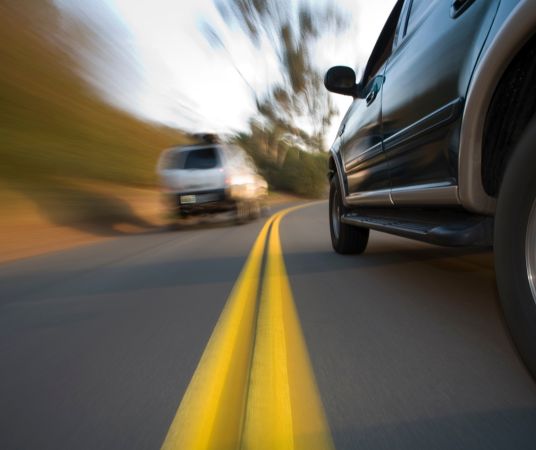
- No-Pass Zones: Solid yellow lines mark unsafe areas. Crossing them puts a vehicle into oncoming traffic and often causes head-on crashes.
- Limited Sight Distance: Passing on hills or curves hides approaching cars. When another vehicle appears, there’s no room to react.
- Intersections and Crossings: Overtaking in these areas leads to collisions with cars that are slowing, stopping, or turning. The sudden move leaves little space to avoid impact.
- Signals and Blind Spots: Failing to use turn signals or check mirrors and blind spots when passing can catch nearby drivers off guard, leading to sideswipes or evasive swerves.
- Multiple-Vehicle Passes: Maneuvering around several cars at once keeps you exposed in the opposite lane for too long, leaving little time to react if oncoming traffic appears.
- Fatigued Passing: Tired drivers often misjudge distance and speed. Attempting to pass while fatigued can delay reaction time and lead to head-on collisions or sideswipes.
- High-Speed Passing: Accelerating aggressively to overtake other cars makes it harder to stay in control. At highway speeds, even a slight overcorrection can cause a severe crash.
Each of these situations shows how one risky decision to pass can endanger everyone on the road.
Why Passing Accidents Are Often Catastrophic
Crashes that happen because one driver recklessly passed another are especially dangerous because they often happen when vehicles move directly into the path of oncoming traffic. A head-on collision in these conditions is often fatal, and even a sideswipe can cause rollovers or multi-car pileups.
Survivors of these types of car accidents can suffer serious injuries, including:
- Traumatic brain injuries (TBIs)
- Spinal cord damage
- Broken bones
- Internal injuries
- Trauma to internal organs
- Severe lacerations or burns
For families, the consequences do not end with the crash itself. Medical bills, long recoveries, and lost income can make daily life challenging. In the worst cases, wrongful death leaves loved ones grieving while also facing financial hardship.
Wisconsin’s Strict Passing Rules: What Drivers Must Know
Wisconsin Statutes 346.09 and 346.10 outline when passing is safe and illegal. Unless the road is marked for two lanes of traffic in the same direction, you cannot pass in these situations:
| Situation | Rule |
| Clear View Ahead | Only pass if the opposite lane is visible and the distance allows. Curves and hills block safe sightlines. |
| Four-Lane Roads | Stay in your lane and never cross center markings that divide opposing traffic. |
| No-Passing Zones | Obey solid yellow lines and posted signs. The only exception is passing a vehicle traveling less than half the speed limit. |
| Left-Turn Situations | Do not pass a vehicle that has signaled a left turn or U-turn. |
| Intersections, Bridges, and Tunnels | Passing is prohibited within 100 feet due to sudden stops, turns, or narrow lanes. |
When a driver breaks these rules and causes a crash, they can be held liable for injuries to others.
Liability for Passing Accidents: Modified Comparative Negligence
Fault in a passing crash isn’t always simple. One driver might cross a solid yellow line while the other is speeding, and both actions contribute to the collision. In cases like these, responsibility is shared under the state’s modified comparative negligence rule.
Here’s how it works:
- You can seek damages if you are less than 51% at fault.
- Your recovery is reduced by the percentage of fault assigned to you.
For example, if you are 30% at fault for speeding but the other driver caused the crash by passing illegally, you may still receive 70% of your damages.
Passing accidents require close investigation to determine how each driver’s actions caused the crash. A qualified car accident attorney can gather evidence like police reports, witness accounts, and crash reconstructionist reports to show how the collision happened and challenge unfair blame.
Hire a Skilled Attorney to Represent Your Interests
When a driver causes a crash by ignoring passing laws, they should be held accountable for the harm they caused.
At Brian Hodgkiss Injury Lawyers, we investigate the scene, collect records and witness statements, and work with experts to show exactly how the collision happened. With that proof, we pursue compensation for medical bills, lost income, and other damages linked to the crash.
Contact us today for a free consultation. Our Appleton car accident attorneys are ready to review your case and take action to secure the support your family deserves.
Contact Us for a Free Case Evaluation
"*" indicates required fields