Secondary Crashes in Wisconsin: What To Know About Fault and Compensation
Posted On: March 9, 2026This content has been reviewed by Brian P. Hodgkiss
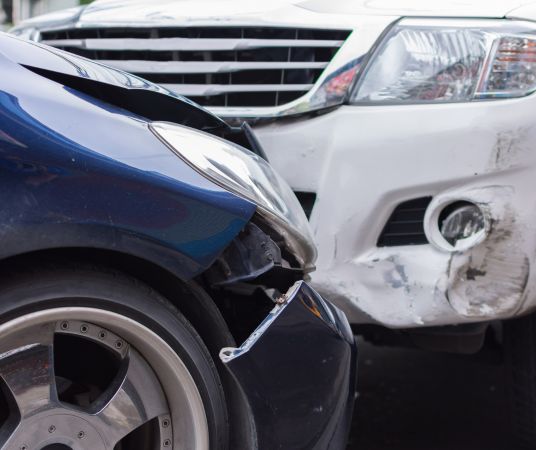
One crash can trigger another within seconds, turning a single collision into a dangerous chain reaction and raising complicated questions about fault. These incidents, known as secondary crashes, often make it harder to determine who is responsible and what compensation may be available.
If you were hurt in a multi-car pileup, our Green Bay car accident lawyers can help establish fault, protect your rights, and pursue the full financial recovery you deserve.
What Is a Secondary Crash?
A secondary crash is a wreck that occurs after an initial accident, when the first wreck creates roadway hazards that trigger another related event, such as:
- Chain-reaction rear-end collisions in slowed traffic
- Crashes involving moving vehicles colliding with vehicles stopped at an accident scene
- Impacts caused by debris or spilled cargo left in the roadway from a crash
- Accidents involving emergency responders or Good Samaritans assisting after a wreck
- Damage caused by drivers swerving unexpectedly around disabled vehicles
These follow-up collisions are far more common than most drivers realize. A five-year study of Wisconsin highways identified 302 downstream crashes across 1,500 miles of roadway, with rear-end incidents accounting for 76% of cases.
Most happened within a mile and 17 minutes of the initial crash, and were often caused by distracted driving, traffic buildup, or blocked lanes.
Because multiple drivers and conditions may contribute to this kind of crash, these cases are far more complicated than a typical two-car accident.
How Do Secondary Crashes Happen on Wisconsin Roads?
Secondary crashes often occur in the chaotic moments after an initial wreck, when traffic conditions change and drivers have little time to react.
On Wisconsin highways, a single accident can trigger a dangerous chain of events, especially when vehicles stop without warning, lanes are blocked, or debris is left in the roadway.
In heavily traveled areas near Green Bay, these crashes are common where high speeds and dense commuter traffic can turn a sudden slowdown into a multi-vehicle pileup. Even a minor crash during rush hour can force drivers to brake abruptly, leaving others with no room to avoid impact.
Secondary crashes are also more likely when visibility is reduced or when drivers are distracted by flashing lights, emergency responders, or the instinct to look toward the original wreck. In these situations, the danger often comes not just from the first point of contact, but from the confusion and congestion that follow.
While not every secondary crash can be prevented, drivers can take steps to reduce the risk by:
- Slowing down when approaching an active crash scene
- Increasing their following distance to allow more reaction time
- Using hazard lights if forced to stop suddenly
- Moving vehicles out of traffic when it is safe to do so
- Staying alert for debris, responders, and unpredictable driver behavior
Even in the best circumstances, these collisions can happen suddenly and create major injuries along with challenging disputes over fault and compensation.
How Is Fault Determined in a Wisconsin Secondary Accident?
In Wisconsin, courts often consider whether the original drivers’ negligence contributed to the hazardous conditions that triggered the follow-up crash. However, investigators evaluate the conduct of all drivers involved, including whether they:
- Failed to maintain a safe speed for conditions
- Passed improperly or followed too closely in slowing traffic
- Drove distracted through an emergency scene
- Ignored warning signs, flares, or hazard lights
For instance, a driver who speeds through a crash area or fails to yield to emergency responders may violate Wisconsin’s Move Over law, making them liable for the harm that follows.
Because secondary crashes often involve multiple contributing actions, responsibility may be shared among several parties. This can include the original at-fault driver, following motorists, commercial trucking companies, or even entities responsible for roadway safety and traffic control.
Wisconsin’s Comparative Negligence Rule: The 51% Bar
Wisconsin follows a modified comparative negligence system. Under state law, an accident victim can only recover compensation if they are 50% or less at fault.
If you are deemed to be 51% or more responsible, you recover nothing, even if another driver created the dangerous situation in the first place.
This rule is important in secondary crashes because insurers often argue that the second driver should have avoided the wreck by slowing down or reacting sooner.
Even a slight shift in fault percentage can mean the difference between partial compensation and no recovery at all.
Insurance Complications in Downstream Crash Claims
Secondary accidents frequently involve multiple insurance companies, overlapping policy disputes, and conflicting accounts of what happened.
Proving that the initial accident triggered the follow-up crash is not always simple. Insurance companies may argue that the second collision was a separate event, attempting to break the link between the original negligence and your injuries.
Establishing that connection usually requires strong, time-sensitive evidence, such as:
- Photographs and documentation from both crash scenes
- Statements from drivers, passengers, and witnesses
- Dashcam or traffic camera footage
- Police reports addressing each collision
- Accident reconstruction findings
Because fault is often contested and injuries may be severe, downstream crash claims require immediate investigation and a strategic legal approach. Our experienced car accident lawyers can help protect your rights from the start.
Learn Your Legal Options After a Crash in Green Bay
Secondary crashes can leave victims facing catastrophic injuries, disputed liability, and aggressive insurance tactics. Protecting your right to compensation under Wisconsin’s 51% rule requires immediate action and effective legal support.
At Brian Hodgkiss Injury Lawyers, we know how to investigate multi-vehicle collisions, prove causation, and fight for the damages you deserve.
If you were injured in a crash triggered by a prior wreck, contact our car accident lawyers for a free consultation and learn how we can help with your claim.
Contact Us for a Free Case Evaluation
"*" indicates required fields