The Impact of Adverse Weather Conditions on Vehicle Accidents and Liability
Posted On: August 12, 2024This content has been reviewed by Brian P. Hodgkiss
Wisconsin’s diverse climate presents unique challenges for drivers throughout the year. From heavy snowfall in winter to severe thunderstorms in summer, adverse weather conditions contribute to road accidents across the state.
In 2021, there were over 134,000 weather-related accidents in the state. Rain, snow, and sleet were among the top causes of crashes that year.
If you’re hurt in a weather-induced collision, you may wonder if you can receive compensation for your injuries. Learn how liability is handled in crashes due to bad weather and how our Wisconsin car accident lawyers can protect your rights.
Common Adverse Weather Conditions in Wisconsin
Driving in Wisconsin means braving a variety of challenging weather conditions. From heavy snowfall to dense fog, here are the most common weather hazards drivers face:
- Snow and Ice: Wisconsin winters are notorious for heavy snowfall and icy roads. Snow can reduce visibility and make road surfaces slippery, while ice can create treacherous conditions, especially when it is not visible (black ice).
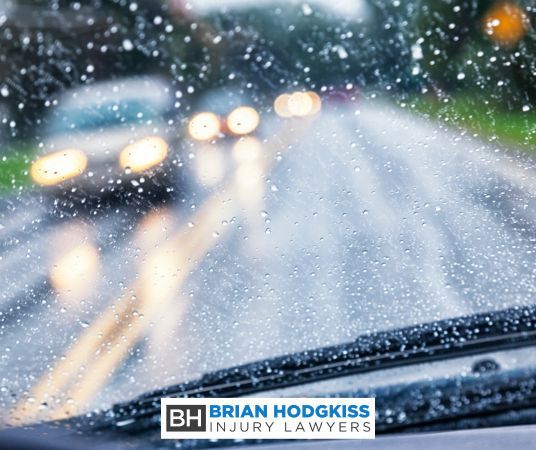
- Rain: Heavy rain can create slick roads and reduce tire traction, increasing the risk of hydroplaning. Rain also impairs visibility, making it harder for drivers to see other vehicles, pedestrians, and road hazards.
- Fog: Fog heavily reduces visibility, making seeing other vehicles and traffic signals difficult. Dense fog, common in spring and fall, can disorient drivers and lead to dangerous situations, especially near bodies of water, high-speed roads, and rural routes.
- Wind: Strong winds can make it difficult to control a vehicle, particularly for high-profile vehicles like trucks and SUVs. Wind can also blow debris onto the road, creating unexpected obstacles for drivers.
Driver Behavior: Adapting to Adverse Weather
In poor weather, drivers must adapt their behaviors to ensure safety for themselves and others on the road. Wisconsin law (Statute 346.57 (2)) mandates driving at reasonable speeds according to road conditions. In adverse weather, drivers should adjust speeds appropriately and increase the distance between vehicles to allow extra time for stopping.
Safe driving in bad weather also includes using the appropriate headlights to improve visibility. For example, low-beam headlights in fog and rain can boost visibility, while high beams may reduce it by reflecting off the rain or fog.
Regular vehicle maintenance is crucial for preventing breakdowns that could endanger others. Keep your vehicle safe by checking tire tread and pressure, ensuring brakes work correctly, and keeping windows and lights clean. Also, replace worn-out windshield wipers, top off antifreeze, and check your vehicle’s battery health.
Liability in Weather-Related Crashes: What Impacts Fault?
Who’s at fault in a crash involving adverse weather? While weather conditions may contribute to the collision, negligence may indicate another party’s liability for your damages. Here’s how liability is assessed in these situations and what it can mean for your car accident case:
| Type of Negligence | Description | Impact on Liability |
| Driver Actions | Failing to adjust speed, increase following distance, or use appropriate headlights for weather conditions | The driver may be found negligent and liable for the accident. |
| Vehicle Maintenance | Not properly maintaining the vehicle, for example, using bald tires or failing to check brakes | The driver can be held responsible if poor maintenance contributes to the accident. |
| Road Conditions | Failing to properly maintain or clear roads, inadequate signage, or poor road design | Government or road maintenance entities may share liability if conditions contribute to the accident. |
| Defective Product | Defects in vehicle design or manufacturing that affect safety, such as faulty brakes or defective tires | The manufacturer can be at fault if a defect contributes to the accident |
| Comparative Negligence | When multiple parties are partially at fault for the accident | Liability is shared based on the degree of fault, affecting the ability to recover damages. In Wisconsin, you cannot recover compensation if you are more than 51% liable. |
Safeguarding Your Rights in Weather-Related Accidents
Adverse weather conditions in Wisconsin complicate vehicle accidents, impacting causation and liability. If you’ve been involved in a weather-related accident, hire a qualified Wisconsin car crash attorney from Brian Hodgkiss Injury Lawyers to protect your rights.
Our experienced legal team can assist you with the claims process and fight for fair compensation. We understand the nuances of weather-related crashes and their legal implications. Contact us today for a free case review to discuss your accident’s circumstances and learn your legal options for recovering compensation.
Contact Us for a Free Case Evaluation
"*" indicates required fields