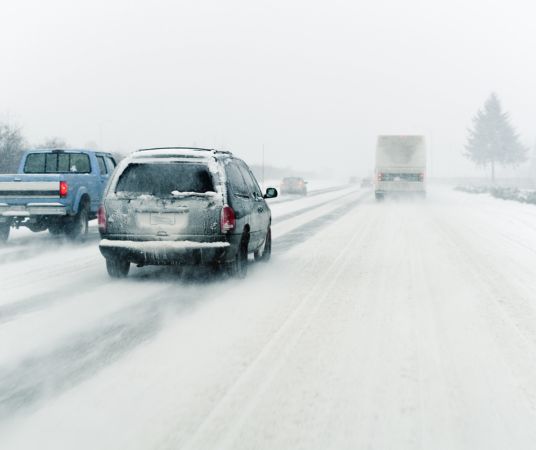
Ways to Reduce Your Risk When Driving in a Snowstorm
Posted On: December 15, 2025This content has been reviewed by Brian P. Hodgkiss
Wisconsin winters are no joke. Each year, Appleton and the surrounding areas face heavy snowfall, icy roads, low visibility, and freezing temperatures.
While we can’t control the weather, we can control how we prepare and respond to it. The proper precautions before and during a snowstorm can reduce your risk of being involved in a serious crash.
Getting into a crash in the middle of a snowstorm is scary and overwhelming. If it happens to you, give our Appleton car accident lawyers a call. We’ll help you understand your options and make sure your rights are protected.
Preparing Your Vehicle and Route for Winter Storms
According to the Wisconsin Department of Transportation, more than 11,000 crashes occurred statewide during the 2023-2024 winter season due to snow, ice, or slush-covered roads, resulting in over 2,000 injuries and 9 fatalities.
The safest winter driving starts long before your tires hit the snow. Take the following precautions:
Check the Weather and Avoid Unnecessary Travel
Before heading out, monitor local weather alerts and road conditions. If the National Weather Service issues a winter storm warning, avoid driving unless absolutely necessary. Delaying your trip could save your life.
Equip Your Vehicle for Winter
Winter tires or chains provide far better traction than standard tires on snow and ice. Ensure your tires are correctly inflated and have sufficient tread depth.
Also, inspect these critical components before a storm hits:
- Windshield wipers and washer fluid (rated for subzero temperatures)
- Heater and defroster to keep windshields and mirrors clear
- Battery health, as cold weather can reduce charge and reliability
- Headlights, taillights, brake lights, and turn signals
Build and Carry a Winter Emergency Kit
Getting stuck in a snowstorm is never the plan, but being prepared can keep you safe. Pack an emergency kit with essentials such as:
- Blankets or sleeping bags
- Non-perishable snacks and bottled water
- Flashlight and extra batteries
- First-aid kit
- Ice scraper and snow brush
- Jumper cables and a portable phone charger
- A small shovel and sand or kitty litter for traction
Snowstorm Driving Techniques for Wisconsin Roads
Once you’re on the road, how you drive is just as important as how well you prepared your vehicle. The right driving habits can make a difference in staying safe during winter conditions, such as heavy snow, ice, and low visibility.
Use the following tactics when driving in winter weather:
Slow Down
Posted speed limits are designed for ideal conditions, not slippery, icy roads. Reducing your speed gives you more control and time to react to hazards.
Increase Your Following Distance
On dry pavement, the standard recommendation is to maintain a three-second distance behind the vehicle ahead. In snow or ice, increase that to at least six to ten seconds. This gives you enough distance to stop safely without sliding into another car.
Accelerate and Brake Gently
Sudden movements can cause your tires to lose traction. Apply brakes slowly and smoothly to avoid skidding, and accelerate gradually to prevent spinning out, especially when starting from a stop or going uphill.
Avoid Sudden Steering Changes
Sharp turns or quick lane changes can cause your vehicle to spin out of control. Make slow, deliberate steering movements and stay in your lane as much as possible.
Keep Your Windows and Mirrors Clean
Snow and fog can quickly build up, reducing visibility. Use your defroster, wipers, and washer fluid regularly to keep your vehicle clean and safe. Keep side mirrors cleared of ice or snow buildup.
Seeing and Being Seen in Low Visibility Conditions
Visibility is often one of the biggest challenges during snowstorms. Blowing snow, fogged windshields, and early nightfall can make it difficult to see other vehicles, road markings, or even the edge of the road.
Use Your Headlights, Even During the Day
This makes your vehicle more visible to others and helps you see the road ahead.
Clear All Snow From Your Vehicle
Snow left on the roof, hood, or lights can blow onto your windshield or hit drivers behind you.
Pull Over Safely if You Can’t See
If blowing snow or whiteout conditions make driving impossible, pull over to a safe location, such as a rest area or parking lot, rather than the shoulder if possible. Turn on your hazard lights, stay in the vehicle, and wait until visibility improves.
Legal Implications of Winter Weather Crashes
Snowstorms don’t excuse negligence. Wisconsin law still requires drivers to operate their vehicles with reasonable care, regardless of weather conditions.
Under Wisconsin Statute §346.57, drivers are required to adjust their speed to match the weather and road conditions. Failing to do so, such as speeding on icy roads, losing control due to excessive speed, or driving with limited visibility, can be considered a form of negligence.
If another driver causes a crash by driving recklessly in winter weather, you may be entitled to compensation for medical bills, lost wages, property damage, and pain and suffering. Our Appleton car accident lawyers can help determine liability and guide you through the claims process.
Even when you do everything right, other drivers may not. And when someone else’s negligence causes a winter crash, you shouldn’t have to fight the insurance company alone.
Don’t Settle for Less—Get the Recovery You Deserve
If you were injured in a winter weather accident, you deserve more than a quick payout from the insurance company. At Brian Hodgkiss Injury Lawyers, we get to know you, your story, and what you need to move forward. That’s how we fight for the full compensation you deserve, not just what insurers are initially willing to offer.
Contact us today to schedule a complimentary case review. Your recovery is our priority.
Contact Us for a Free Case Evaluation
"*" indicates required fields