Contact Us for a Free Case Evaluation
"*" indicates required fields

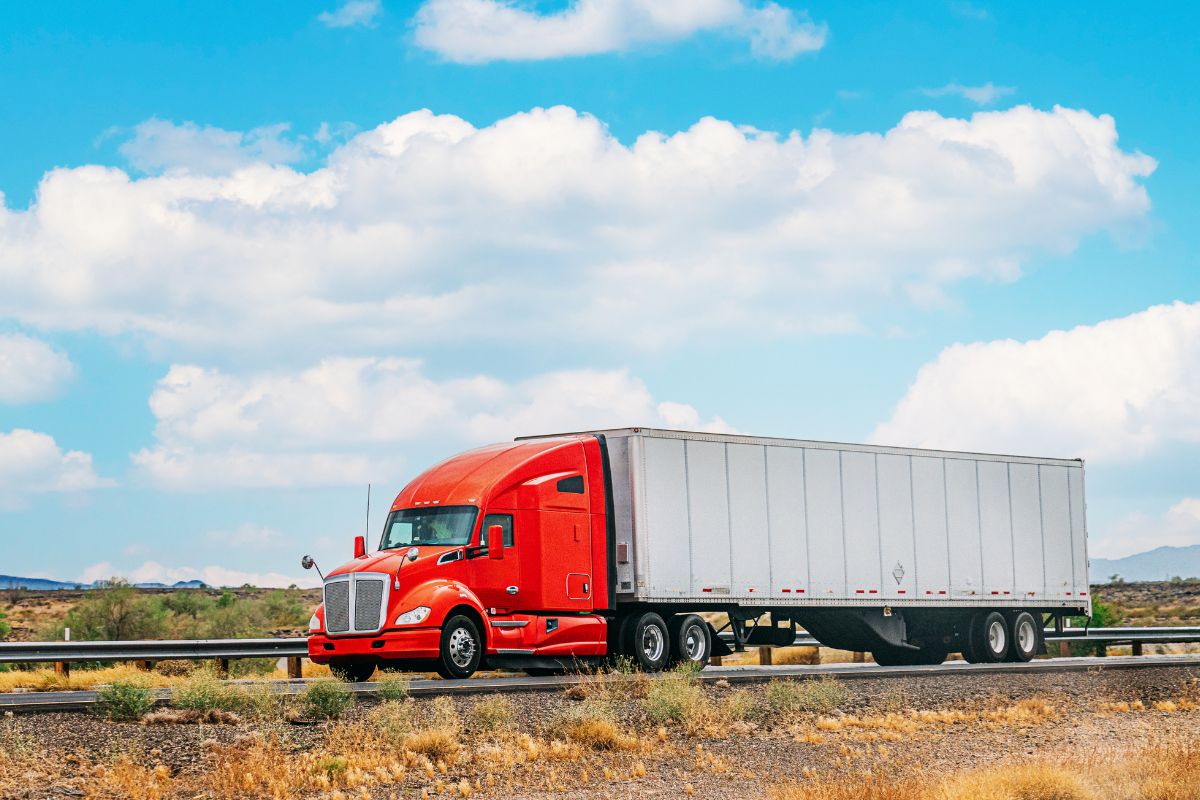
A semi-truck crash is nothing like a fender bender. A loaded tractor-trailer can weigh 80,000 pounds, and the people in the smaller vehicle almost always take the worst of it.
If you were hurt, a truck accident lawyer can help you stand up to a trucking company that likely already has its own investigators and insurers working the case. Brian Hodgkiss Injury Lawyers is based in Appleton and helps people hurt in truck crashes across Wisconsin, from I-43 in Green Bay to the rural highways of the Northwoods.
On this page, we explain how truck claims work, who may be responsible for a crash, and what you can do now to protect your rights. When you’re ready to talk, contact our team for a free consultation.
How Truck Accident Claims Differ From Car Accident Claims in Wisconsin
Wisconsin is an at-fault state. After a crash, you generally file a claim against the at-fault party’s liability insurance under Wisconsin’s fault system. That part works the same for trucks and cars. Almost everything else is different.
Truck claims tend to be more involved for five reasons:
- More than one party may share blame. In a typical car accident claim, you deal with one driver and one insurer. A truck crash can involve the driver, the motor carrier, a cargo loader, a maintenance shop, and others.
- Federal safety rules apply. Interstate carriers must follow Federal Motor Carrier Safety Administration (FMCSA) regulations on driver hours, inspections, and record-keeping. A rule violation can be strong evidence of negligence.
- Insurance limits are much higher. Wisconsin requires personal auto policies of only $25,000 per person for bodily injury, while federal rules generally require interstate trucks hauling general freight to carry at least $750,000. More money at stake usually means a harder-fought claim.
- Key evidence is electronic. Most trucks record data via electronic logging devices (ELDs) and engine control modules, often called “black boxes.” Carriers only have to keep some of these records for a limited time.
- Injuries are often more severe. That means higher medical bills and longer recoveries.
Common Causes of Commercial Truck Accidents in Wisconsin
Most truck crashes trace back to a decision someone made, whether behind the wheel, at a loading dock, or in a dispatch office.
Truck Driver Errors
Common driver errors include:
- Fatigue: Federal hours-of-service rules generally limit property-carrying drivers to 11 hours of driving after 10 consecutive hours off duty. Tight delivery schedules push some drivers past those limits.
- Distraction: Phones, dispatch screens, and GPS units pull a driver’s eyes off the road. According to NHTSA, looking away for five seconds at 55 mph is like driving the length of a football field blind.
- Speeding: A loaded truck needs far more distance to stop than a car. Speeding, tailgating, and unsafe lane changes leave no margin for error.
- Impairment: Alcohol, drugs, and some prescription medications slow reaction time.
Trucking Company and Equipment Problems
Problems can also start with the carrier or the equipment:
- Improper Loading: Overweight or unbalanced cargo makes a truck harder to stop and more likely to roll. Liquid loads, like milk in a tanker, can surge during turns.
- Poor Maintenance: Worn brakes, bald tires, and burned-out lights are preventable failures.
- Negligent Hiring or Training: A carrier that puts an unqualified or unsafe driver on the road may share responsibility for what happens next.
Wisconsin Weather and Road Conditions
Winter adds another layer of risk. Black ice, blowing snow, and whiteout squalls can turn I-43 dangerous in minutes. Deer season brings a spike in animal strikes on rural roads like US-141, and spring construction narrows lanes and shifts traffic patterns across the region.
None of these conditions excuse a truck driver. Professional drivers are expected to slow down and adjust to the road ahead.
Where Truck Crashes Happen in Northeast Wisconsin
Northeast Wisconsin runs on freight. Paper and packaging mills in the Fox Valley, dairy farms and cheese plants across the region, logging operations in the Northwoods, and cargo moving through the Port of Green Bay all depend on trucks.
That traffic concentrates on a few busy corridors:
- I-43: The main route linking Milwaukee, Sheboygan, Manitowoc, and Green Bay carries heavy truck traffic at highway speeds, and winter crashes are common.
- I-41: The Fox Cities’ primary commercial artery connects Oshkosh, Appleton, and Green Bay, mixing daily commuters with semis and delivery trucks.
- WI-172 and WI-441: These local expressways around Green Bay and Appleton see constant merging and interchange traffic.
- US-141 and WI-29: Rural stretches carry agricultural and logging trucks, and deer strikes and head-on collisions are a real risk.
Our team also handles truck crash claims in Green Bay and Appleton.
Types of Truck Accidents and Commercial Vehicles Involved
A truck’s size and weight shape how crashes happen. Common types include:
- Rear-End Collisions: A truck that can’t stop in time strikes slowing traffic.
- Jackknife Crashes: The trailer swings out at an angle to the cab, often after hard braking on ice.
- Rollovers: Sharp curves, excess speed, and shifting cargo can tip a truck onto its side.
- Underride Crashes: A car slides beneath the rear or side of a trailer, often with deadly results.
- Wide-Turn Crashes: A truck swinging wide to turn right traps a car in the gap.
- Blind Spot Crashes: A truck changes lanes into a car sitting in one of its “no zones.”
- Lost Load Crashes: Poorly secured cargo spills onto the road.
A “truck” isn’t only an 18-wheeler. Claims in Wisconsin often involve milk tankers, logging trucks, dump and cement trucks, garbage trucks, and delivery vans. The type of vehicle and what it was hauling can change which safety rules apply to your case.
Who Can Be Held Liable for a Truck Accident in Wisconsin?
Finding every responsible party matters because each one may carry its own insurance. Depending on the facts, liable parties can include:
- The Truck Driver: Speeding, distraction, fatigue, or impairment can make the driver responsible.
- The Trucking Company: An employer is generally responsible for an employee’s negligence on the job. A carrier can also be liable for its own failures, such as negligent hiring, poor training, or pushing drivers to break hours-of-service rules.
- Cargo Loaders and Shippers: The company that loaded the trailer may be at fault if overloading or unsecured freight contributed to the crash.
- Freight Brokers: A broker that hired an unsafe carrier may share responsibility in some cases.
- Maintenance Providers: A shop that missed a known brake or tire problem may be liable.
- Manufacturers: Defective brakes, tires, steering parts, or other components can support a product liability claim.
- Government Entities: Poor road design or maintenance can play a role. Claims against a Wisconsin government body generally require written notice within 120 days of the incident.
How Comparative Negligence Affects Your Truck Accident Claim
Trucking insurers often argue that the car driver was partly to blame. Wisconsin uses a modified comparative negligence rule. You can still recover compensation as long as your share of fault is no greater than that of the party you’re seeking compensation from. Your percentage of fault, in turn, reduces your recovery.
Here’s how that works. Say your damages total $200,000 and a jury finds you 20% at fault for the crash. Your recovery would be reduced to $160,000. If you were found more at fault than the trucking defendant, you could be barred from recovering from that defendant.
Seatbelt use can matter too. Under Wisconsin law, not wearing a seatbelt can reduce damages only for the injuries a seatbelt would have prevented, and by no more than 15%. Solid evidence about what the truck was doing is the best defense against unfair blame.
What to Do After a Truck Accident in Wisconsin
What you do in the first days after a crash can protect both your health and your claim:
- Get medical care. See a doctor the same day, even if you feel okay. Brain injuries and internal bleeding don’t always cause symptoms right away. Follow your treatment plan and keep every record.
- Call the police. Wisconsin law requires you to report a crash that causes injury, death, or at least $1,000 in property damage. Nearly every truck crash meets that threshold, and the police report becomes key evidence.
- Document the scene. If you’re able, photograph the vehicles, the truck’s company name and USDOT number, skid marks, road conditions, and your injuries.
- Get witness information. Write down names and phone numbers of anyone who saw the crash.
- Be careful with the trucking company’s insurer. You don’t have to give a recorded statement to the other side’s insurance company. Don’t sign releases or accept a settlement before you understand the full cost of your injuries.
- Talk to a lawyer early. A lawyer can send a preservation letter demanding that the carrier keep ELD data, black box data, dashcam footage, and maintenance records.
If you’re not sure where to start, reach out to us, and we can walk you through your options.
How Our Team Can Investigate Your Truck Crash
Trucking companies often have investigators at a serious crash within hours. Our team can gather the evidence that shows what really happened, including:
- Driver Records: ELD logs show hours on the road, and the driver qualification file covers licensing, medical certification, and driving history.
- Truck Data: Black box data can capture speed, braking, and throttle in the seconds before impact.
- Carrier History: FMCSA inspection results, crash records, and maintenance logs can reveal a pattern of ignored problems.
- Video and Reconstruction: Dashcam and traffic camera footage, along with crash reconstruction, can show exactly how the collision occurred.
Common Injuries in Wisconsin Truck Accidents
The force of a truck crash often causes serious, lasting harm. Common injuries include traumatic brain injuries, spinal cord injuries and paralysis, broken bones, internal bleeding and organ damage, burns from fuel fires, amputations, and PTSD. Some of these, like brain injuries and internal bleeding, may not cause obvious symptoms for hours or days.
Many of these are catastrophic injuries that require years of care. People hurt in crashes across Northeast Wisconsin are often treated at hospitals like Bellin Hospital and HSHS St. Vincent Hospital in Green Bay, or ThedaCare Regional Medical Center–Appleton and Ascension St. Elizabeth Hospital in Appleton. Keep copies of every bill and record from your care because they form the foundation of your claim.
Compensation You May Be Able to Pursue After a Truck Accident
Every case is different, and no lawyer can promise a result. Depending on the facts, you may be able to pursue compensation for:
- Medical Expenses: Past and future costs for treatment, surgery, therapy, and equipment
- Lost Income: Wages you missed and earning capacity you lost because of your injuries
- Property Damage: The cost of repairing or replacing your vehicle and belongings
- Pain and Suffering: Physical pain, emotional distress, and loss of enjoyment of life
Wisconsin allows punitive damages only when a defendant acted maliciously or in intentional disregard of someone’s rights. That standard is hard to meet, but it may apply when a carrier knowingly broke safety rules.
When a truck crash takes a life, certain family members may bring a wrongful death claim. These claims can seek funeral costs, lost financial support, and loss of society and companionship, which Wisconsin caps by law.
How Long Do You Have to File a Truck Accident Lawsuit in Wisconsin?
Missing a statute of limitations can end your claim no matter how strong it is. The main deadlines are:
- Injury Claims: You generally have three years from the date of the crash to file a lawsuit.
- Wrongful Death Claims: A wrongful death claim arising from a motor vehicle crash generally must be filed within two years.
- Claims Against Government Entities: A written notice of claim is generally required within 120 days.
Evidence can disappear long before those deadlines. Federal rules require carriers to keep drivers’ hours-of-service records for only six months, and video footage is often recorded over much sooner. Acting early gives your lawyer the best chance to preserve what matters.
Frequently Asked Questions
Here are answers to questions we often hear about truck accident claims in Wisconsin.
How Much Is a Truck Accident Case Worth in Wisconsin?
No single number applies to every case. Value depends on your injuries, medical costs, lost income, how fault is apportioned, and the available insurance. A lawyer can estimate a realistic range once your medical picture is clear.
Can I Sue the Trucking Company or Just the Driver?
In many cases, you can pursue both. Employers are generally responsible for their drivers’ negligence on the job, and a carrier can also be liable for its own mistakes, like negligent hiring or poor maintenance. The trucking company also usually carries far more insurance than the driver.
What If the Truck Driver Was an Independent Contractor?
You may still have a claim against the motor carrier. Many owner-operators drive under a carrier’s federal operating authority, and the carrier’s safety and insurance obligations may still apply. Liability depends on the contracts and the actual working relationship, which a lawyer can investigate.
What If the Truck Was From Out of State?
You can generally bring a claim in Wisconsin when the crash happened here. Interstate carriers must comply with federal regulations and carry federally required insurance, regardless of where they’re based.
Depending on the parties, a case may be filed in a Wisconsin circuit court or in the U.S. District Court for the Eastern District of Wisconsin, which has a courthouse in Green Bay.
How Much Insurance Do Commercial Trucks Have to Carry?
Most interstate trucks hauling general freight must carry at least $750,000 in liability coverage under federal rules, and trucks carrying certain hazardous materials must carry $1 million to $5 million. Many carriers carry more than the minimum.
Should I Talk to the Trucking Company’s Insurance Adjuster?
You can politely decline to give a recorded statement. The adjuster works for the trucking company, and anything you say can be used to limit your claim. Let your lawyer handle those conversations.
How Long Does a Truck Accident Case Take to Settle?
Some cases resolve in months, while others take a year or more, especially if a lawsuit is filed. It’s usually wise to wait until your doctors understand your long-term prognosis before settling, so you know the full cost of your injuries. We can give you a better sense of timing after reviewing your case.
Talk to a Wisconsin Truck Accident Lawyer Who Knows Your Roads
A truck crash can upend your health, your job, and your family’s finances overnight. You shouldn’t have to face a trucking company and its insurer on your own. Our founder, Brian Hodgkiss, and our team work from our office on W. College Avenue in Appleton, and we know the highways, hospitals, and courthouses of Northeast Wisconsin. You can schedule a free consultation to talk about what happened. Our No Fee Guarantee® backs every case we take on. Bank on Brian!
Contact Us for a Free Case Evaluation
"*" indicates required fields
Wisconsin Truck Accident Lawyer
A semi-truck crash is nothing like a fender bender. A loaded tractor-trailer can weigh 80,000 pounds, and the people in the smaller vehicle almost always take the worst of it.
If you were hurt, a truck accident lawyer can help you stand up to a trucking company that likely already has its own investigators and insurers working the case. Brian Hodgkiss Injury Lawyers is based in Appleton and helps people hurt in truck crashes across Wisconsin, from I-43 in Green Bay to the rural highways of the Northwoods.
On this page, we explain how truck claims work, who may be responsible for a crash, and what you can do now to protect your rights. When you’re ready to talk, contact our team for a free consultation.
How Truck Accident Claims Differ From Car Accident Claims in Wisconsin
Wisconsin is an at-fault state. After a crash, you generally file a claim against the at-fault party’s liability insurance under Wisconsin’s fault system. That part works the same for trucks and cars. Almost everything else is different.
Truck claims tend to be more involved for five reasons:
- More than one party may share blame. In a typical car accident claim, you deal with one driver and one insurer. A truck crash can involve the driver, the motor carrier, a cargo loader, a maintenance shop, and others.
- Federal safety rules apply. Interstate carriers must follow Federal Motor Carrier Safety Administration (FMCSA) regulations on driver hours, inspections, and record-keeping. A rule violation can be strong evidence of negligence.
- Insurance limits are much higher. Wisconsin requires personal auto policies of only $25,000 per person for bodily injury, while federal rules generally require interstate trucks hauling general freight to carry at least $750,000. More money at stake usually means a harder-fought claim.
- Key evidence is electronic. Most trucks record data via electronic logging devices (ELDs) and engine control modules, often called “black boxes.” Carriers only have to keep some of these records for a limited time.
- Injuries are often more severe. That means higher medical bills and longer recoveries.
Common Causes of Commercial Truck Accidents in Wisconsin
Most truck crashes trace back to a decision someone made, whether behind the wheel, at a loading dock, or in a dispatch office.
Truck Driver Errors
Common driver errors include:
- Fatigue: Federal hours-of-service rules generally limit property-carrying drivers to 11 hours of driving after 10 consecutive hours off duty. Tight delivery schedules push some drivers past those limits.
- Distraction: Phones, dispatch screens, and GPS units pull a driver’s eyes off the road. According to NHTSA, looking away for five seconds at 55 mph is like driving the length of a football field blind.
- Speeding: A loaded truck needs far more distance to stop than a car. Speeding, tailgating, and unsafe lane changes leave no margin for error.
- Impairment: Alcohol, drugs, and some prescription medications slow reaction time.
Trucking Company and Equipment Problems
Problems can also start with the carrier or the equipment:
- Improper Loading: Overweight or unbalanced cargo makes a truck harder to stop and more likely to roll. Liquid loads, like milk in a tanker, can surge during turns.
- Poor Maintenance: Worn brakes, bald tires, and burned-out lights are preventable failures.
- Negligent Hiring or Training: A carrier that puts an unqualified or unsafe driver on the road may share responsibility for what happens next.
Wisconsin Weather and Road Conditions
Winter adds another layer of risk. Black ice, blowing snow, and whiteout squalls can turn I-43 dangerous in minutes. Deer season brings a spike in animal strikes on rural roads like US-141, and spring construction narrows lanes and shifts traffic patterns across the region.
None of these conditions excuse a truck driver. Professional drivers are expected to slow down and adjust to the road ahead.
Where Truck Crashes Happen in Northeast Wisconsin
Northeast Wisconsin runs on freight. Paper and packaging mills in the Fox Valley, dairy farms and cheese plants across the region, logging operations in the Northwoods, and cargo moving through the Port of Green Bay all depend on trucks.
That traffic concentrates on a few busy corridors:
- I-43: The main route linking Milwaukee, Sheboygan, Manitowoc, and Green Bay carries heavy truck traffic at highway speeds, and winter crashes are common.
- I-41: The Fox Cities’ primary commercial artery connects Oshkosh, Appleton, and Green Bay, mixing daily commuters with semis and delivery trucks.
- WI-172 and WI-441: These local expressways around Green Bay and Appleton see constant merging and interchange traffic.
- US-141 and WI-29: Rural stretches carry agricultural and logging trucks, and deer strikes and head-on collisions are a real risk.
Our team also handles truck crash claims in Green Bay and Appleton.
Types of Truck Accidents and Commercial Vehicles Involved
A truck’s size and weight shape how crashes happen. Common types include:
- Rear-End Collisions: A truck that can’t stop in time strikes slowing traffic.
- Jackknife Crashes: The trailer swings out at an angle to the cab, often after hard braking on ice.
- Rollovers: Sharp curves, excess speed, and shifting cargo can tip a truck onto its side.
- Underride Crashes: A car slides beneath the rear or side of a trailer, often with deadly results.
- Wide-Turn Crashes: A truck swinging wide to turn right traps a car in the gap.
- Blind Spot Crashes: A truck changes lanes into a car sitting in one of its “no zones.”
- Lost Load Crashes: Poorly secured cargo spills onto the road.
A “truck” isn’t only an 18-wheeler. Claims in Wisconsin often involve milk tankers, logging trucks, dump and cement trucks, garbage trucks, and delivery vans. The type of vehicle and what it was hauling can change which safety rules apply to your case.
Who Can Be Held Liable for a Truck Accident in Wisconsin?
Finding every responsible party matters because each one may carry its own insurance. Depending on the facts, liable parties can include:
- The Truck Driver: Speeding, distraction, fatigue, or impairment can make the driver responsible.
- The Trucking Company: An employer is generally responsible for an employee’s negligence on the job. A carrier can also be liable for its own failures, such as negligent hiring, poor training, or pushing drivers to break hours-of-service rules.
- Cargo Loaders and Shippers: The company that loaded the trailer may be at fault if overloading or unsecured freight contributed to the crash.
- Freight Brokers: A broker that hired an unsafe carrier may share responsibility in some cases.
- Maintenance Providers: A shop that missed a known brake or tire problem may be liable.
- Manufacturers: Defective brakes, tires, steering parts, or other components can support a product liability claim.
- Government Entities: Poor road design or maintenance can play a role. Claims against a Wisconsin government body generally require written notice within 120 days of the incident.
How Comparative Negligence Affects Your Truck Accident Claim
Trucking insurers often argue that the car driver was partly to blame. Wisconsin uses a modified comparative negligence rule. You can still recover compensation as long as your share of fault is no greater than that of the party you’re seeking compensation from. Your percentage of fault, in turn, reduces your recovery.
Here’s how that works. Say your damages total $200,000 and a jury finds you 20% at fault for the crash. Your recovery would be reduced to $160,000. If you were found more at fault than the trucking defendant, you could be barred from recovering from that defendant.
Seatbelt use can matter too. Under Wisconsin law, not wearing a seatbelt can reduce damages only for the injuries a seatbelt would have prevented, and by no more than 15%. Solid evidence about what the truck was doing is the best defense against unfair blame.
What to Do After a Truck Accident in Wisconsin
What you do in the first days after a crash can protect both your health and your claim:
- Get medical care. See a doctor the same day, even if you feel okay. Brain injuries and internal bleeding don’t always cause symptoms right away. Follow your treatment plan and keep every record.
- Call the police. Wisconsin law requires you to report a crash that causes injury, death, or at least $1,000 in property damage. Nearly every truck crash meets that threshold, and the police report becomes key evidence.
- Document the scene. If you’re able, photograph the vehicles, the truck’s company name and USDOT number, skid marks, road conditions, and your injuries.
- Get witness information. Write down names and phone numbers of anyone who saw the crash.
- Be careful with the trucking company’s insurer. You don’t have to give a recorded statement to the other side’s insurance company. Don’t sign releases or accept a settlement before you understand the full cost of your injuries.
- Talk to a lawyer early. A lawyer can send a preservation letter demanding that the carrier keep ELD data, black box data, dashcam footage, and maintenance records.
If you’re not sure where to start, reach out to us, and we can walk you through your options.
How Our Team Can Investigate Your Truck Crash
Trucking companies often have investigators at a serious crash within hours. Our team can gather the evidence that shows what really happened, including:
- Driver Records: ELD logs show hours on the road, and the driver qualification file covers licensing, medical certification, and driving history.
- Truck Data: Black box data can capture speed, braking, and throttle in the seconds before impact.
- Carrier History: FMCSA inspection results, crash records, and maintenance logs can reveal a pattern of ignored problems.
- Video and Reconstruction: Dashcam and traffic camera footage, along with crash reconstruction, can show exactly how the collision occurred.
Common Injuries in Wisconsin Truck Accidents
The force of a truck crash often causes serious, lasting harm. Common injuries include traumatic brain injuries, spinal cord injuries and paralysis, broken bones, internal bleeding and organ damage, burns from fuel fires, amputations, and PTSD. Some of these, like brain injuries and internal bleeding, may not cause obvious symptoms for hours or days.
Many of these are catastrophic injuries that require years of care. People hurt in crashes across Northeast Wisconsin are often treated at hospitals like Bellin Hospital and HSHS St. Vincent Hospital in Green Bay, or ThedaCare Regional Medical Center–Appleton and Ascension St. Elizabeth Hospital in Appleton. Keep copies of every bill and record from your care because they form the foundation of your claim.
Compensation You May Be Able to Pursue After a Truck Accident
Every case is different, and no lawyer can promise a result. Depending on the facts, you may be able to pursue compensation for:
- Medical Expenses: Past and future costs for treatment, surgery, therapy, and equipment
- Lost Income: Wages you missed and earning capacity you lost because of your injuries
- Property Damage: The cost of repairing or replacing your vehicle and belongings
- Pain and Suffering: Physical pain, emotional distress, and loss of enjoyment of life
Wisconsin allows punitive damages only when a defendant acted maliciously or in intentional disregard of someone’s rights. That standard is hard to meet, but it may apply when a carrier knowingly broke safety rules.
When a truck crash takes a life, certain family members may bring a wrongful death claim. These claims can seek funeral costs, lost financial support, and loss of society and companionship, which Wisconsin caps by law.
How Long Do You Have to File a Truck Accident Lawsuit in Wisconsin?
Missing a statute of limitations can end your claim no matter how strong it is. The main deadlines are:
- Injury Claims: You generally have three years from the date of the crash to file a lawsuit.
- Wrongful Death Claims: A wrongful death claim arising from a motor vehicle crash generally must be filed within two years.
- Claims Against Government Entities: A written notice of claim is generally required within 120 days.
Evidence can disappear long before those deadlines. Federal rules require carriers to keep drivers’ hours-of-service records for only six months, and video footage is often recorded over much sooner. Acting early gives your lawyer the best chance to preserve what matters.
Frequently Asked Questions
Here are answers to questions we often hear about truck accident claims in Wisconsin.
How Much Is a Truck Accident Case Worth in Wisconsin?
No single number applies to every case. Value depends on your injuries, medical costs, lost income, how fault is apportioned, and the available insurance. A lawyer can estimate a realistic range once your medical picture is clear.
Can I Sue the Trucking Company or Just the Driver?
In many cases, you can pursue both. Employers are generally responsible for their drivers’ negligence on the job, and a carrier can also be liable for its own mistakes, like negligent hiring or poor maintenance. The trucking company also usually carries far more insurance than the driver.
What If the Truck Driver Was an Independent Contractor?
You may still have a claim against the motor carrier. Many owner-operators drive under a carrier’s federal operating authority, and the carrier’s safety and insurance obligations may still apply. Liability depends on the contracts and the actual working relationship, which a lawyer can investigate.
What If the Truck Was From Out of State?
You can generally bring a claim in Wisconsin when the crash happened here. Interstate carriers must comply with federal regulations and carry federally required insurance, regardless of where they’re based.
Depending on the parties, a case may be filed in a Wisconsin circuit court or in the U.S. District Court for the Eastern District of Wisconsin, which has a courthouse in Green Bay.
How Much Insurance Do Commercial Trucks Have to Carry?
Most interstate trucks hauling general freight must carry at least $750,000 in liability coverage under federal rules, and trucks carrying certain hazardous materials must carry $1 million to $5 million. Many carriers carry more than the minimum.
Should I Talk to the Trucking Company’s Insurance Adjuster?
You can politely decline to give a recorded statement. The adjuster works for the trucking company, and anything you say can be used to limit your claim. Let your lawyer handle those conversations.
How Long Does a Truck Accident Case Take to Settle?
Some cases resolve in months, while others take a year or more, especially if a lawsuit is filed. It’s usually wise to wait until your doctors understand your long-term prognosis before settling, so you know the full cost of your injuries. We can give you a better sense of timing after reviewing your case.
Talk to a Wisconsin Truck Accident Lawyer Who Knows Your Roads
A truck crash can upend your health, your job, and your family’s finances overnight. You shouldn’t have to face a trucking company and its insurer on your own. Our founder, Brian Hodgkiss, and our team work from our office on W. College Avenue in Appleton, and we know the highways, hospitals, and courthouses of Northeast Wisconsin. You can schedule a free consultation to talk about what happened. Our No Fee Guarantee® backs every case we take on. Bank on Brian!
