Contact Us for a Free Case Evaluation
"*" indicates required fields

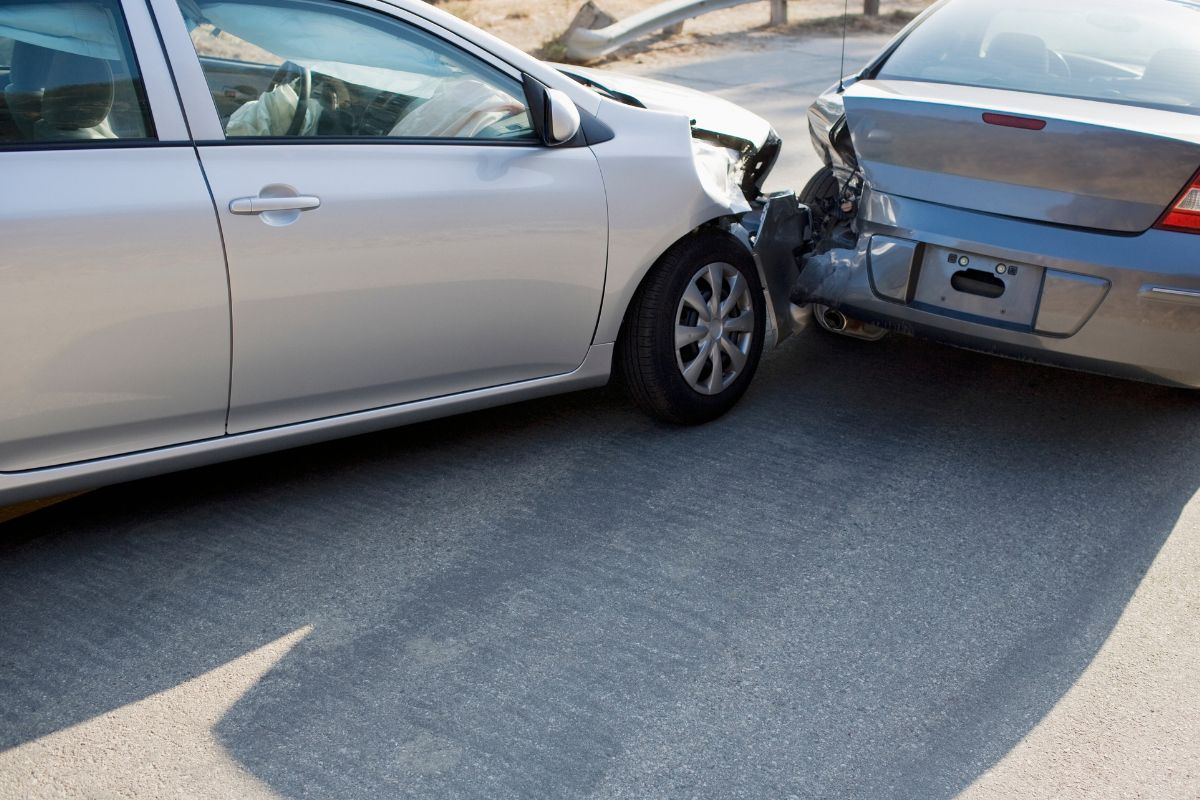
You were stopped at a light, slowing for traffic, or waiting to turn. The driver behind you was not paying attention. Now your neck hurts, your car is banged up, and an insurance adjuster is already on the phone telling you it was just a minor crash. It was not. An experienced Appleton rear-end accident lawyer can push back against that narrative and help ensure you are treated fairly.
Brian Hodgkiss Injury Lawyers has been fighting for injured people in Wisconsin since 2018. Our office is on College Avenue in downtown Appleton, blocks from the Outagamie County Courthouse, and Brian is the same person you see on TV. When you contact our firm, you get a real local firm and a real local attorney.
Why Choose Brian Hodgkiss Injury Lawyers After a Rear-End Crash in Appleton
Rear-end crashes look simple. They rarely are. The driver who hit you may deny going too fast. Their insurance company may argue you stopped short. If your brake lights were out, or if the crash was part of a chain reaction, fault gets even messier. You want a firm that knows how to sort it out.
Here’s what we provide if you choose us to take on your case:
- A Local Fox Cities Office: Our office is at 330 W. College Ave., Suite 200, blocks from the Outagamie County Courthouse where most Appleton-area injury cases are filed.
- A Named Attorney on Every Case: Brian Hodgkiss is a real Fox Valley lawyer, not a call center voice from another state.
- A Full-Service Injury Firm: Rear-end crashes are one type of Appleton car accident case we handle, along with truck, motorcycle, bicycle, and pedestrian cases across the Green Bay-Appleton area.
- Proven Results: In one recent auto case, our team recovered $1.75 million by refusing to accept the insurance company’s early offer. Past results do not guarantee similar outcomes, but they show what serious preparation can do.
- Our No Fee Guarantee®: You pay us nothing unless we recover money for you. The free consultation costs nothing, and if we do not win, you owe no attorney’s fees.
Brian’s approach is straightforward: friendly with clients, tough with insurance companies. You get real answers, not a runaround.
What to Do at the Scene of a Rear-End Accident
The steps you take in the first hour matter more than you think. Even for a low-speed crash, do these things in order:
- Get to safety and call 911. Move vehicles out of the travel lane if you can do so safely, and then call the police, even when the crash seems minor. The police report is your official record.
- Do not admit fault or apologize. Adrenaline hides pain and clouds judgment. Do not discuss blame at the scene beyond exchanging basic information.
- Accept medical evaluation. If EMS offers to check you out, let them. Whiplash and concussion symptoms often surface hours or days later, not at the scene.
- Exchange information. Get the other driver’s name, driver’s license, insurance carrier and policy number, license plate, and phone number.
- Photograph everything. Capture vehicle positions before anyone moves, all damage to both cars, skid marks, road conditions, weather, traffic signals, and your injuries.
- Get witness contacts. Collect names and phone numbers of anyone who saw the crash before they leave the scene.
- Save your dashcam footage. If your car or another driver’s car has a dashcam, secure the footage right away. Some systems overwrite footage within hours.
- See a doctor within 24 to 72 hours. Even when you feel okay, get evaluated. A gap in medical treatment gives insurance adjusters an argument to minimize your claim.
- Don’t say anything to the other driver’s insurance. If they call for a recorded statement, politely decline and refer them to your attorney.
- Contact an Appleton rear-end accident lawyer. Contact us for a free consultation.
The earlier a lawyer is involved, the more evidence can be preserved. Skid marks fade. Dashcam files get overwritten. Witnesses forget details.
How Rear-End Collisions Happen in the Fox Cities
Most rear-end crashes are preventable. They come down to a driver not paying enough attention or leaving enough room to stop.
The most common causes we see in the Fox Cities include:
- Distracted Driving: Phones, texting, GPS, and in-car screens keep drivers’ eyes off the road at the worst possible moments.
- Tailgating and Following Too Closely: A frequent cause in stop-and-go traffic on the I-41 corridor through the Fox Cities
- Speeding: Higher speeds mean longer stopping distances. Rear-end crashes on I-43 and I-41 tend to be more severe because of it.
- Impaired and Drowsy Driving: Alcohol, drugs, and fatigue all slow reaction time.
- Winter Road Conditions: Black ice, snow squalls, salt film on windshields, and wet-to-frozen bridge decks on the I-41 and I-43 overpasses. Northeastern Wisconsin winters produce rear-end crash conditions that much of the country does not see.
- Deer Strikes: A deer in the road on WI-29, US-141, or US-151 causes the front driver to panic-brake. The driver behind them, who was following too closely, rear-ends them.
- Sun Glare: East-west stretches of I-41 at sunrise and sunset blind drivers, leaving them unable to see for the critical second they needed to react.
- Merging and Lane-Change Friction: WI-441 and I-41 interchanges create sudden speed changes that catch inattentive drivers off guard.
Common Rear-End Accident Injuries
Many rear-end injuries have delayed onset. You can walk away from the scene feeling okay and wake up in real pain 24 or 48 hours later. That is not unusual. It is the biology of soft-tissue injury.
The most common injuries we see include:
- Whiplash and Neck Injuries: A rear-end impact throws your head backward and then snaps it forward. That hyperextension and flexion strain muscles, ligaments, and discs in the cervical spine. Symptoms include neck pain, stiffness, headaches, and reduced range of motion.
- Concussions and Mild Traumatic Brain Injury: You do not need to hit your head to be concussed. A hard jolt can injure the brain inside the skull.
- Back and Spine Injuries: Lumbar and thoracic strain, herniated discs, and facet joint injuries show up regularly in rear-end cases.
- Fractures: Wrists, ribs, sternum, and collarbones are common fractures in rear-end crashes.
- Chest and Internal Injuries: Even a properly worn seatbelt transmits significant force in a rear-end impact.
- Facial and Dental Injuries: Airbag deployment and chin-on-steering-wheel contact can break teeth, jaws, and cheekbones.
- Psychological Injury: Driving anxiety and PTSD symptoms after a significant crash are real and compensable.
- Wrongful Death: For families who lose someone in a rear-end fatality, Wisconsin law sets a two-year deadline to file a claim.
Ascension St. Elizabeth, ThedaCare Regional Medical Center-Appleton, and ThedaCare Regional Medical Center-Neenah are the primary trauma destinations in the Fox Cities. If you have not been evaluated, get evaluated. Keep every record. Your medical documentation is the backbone of your claim.
Who Is Legally at Fault in a Rear-End Accident?
In Wisconsin, as in most states, the driver in the rear is presumed to be at fault. The reason is simple. Every driver has a legal duty to maintain enough distance from the vehicle ahead to stop safely, even if it suddenly slows down. If you hit the car in front of you, the default assumption is that you followed too closely or weren’t paying attention.
That presumption is powerful in insurance negotiations and at trial. It shifts the burden onto the rear driver to explain what else caused the crash. But it is a rebuttable presumption, not an automatic verdict. Real situations exist where the front driver shares fault or caused the crash outright.
When Can the Front Driver Be at Fault in a Rear-End Collision?
It happens more often than most drivers realize. Even if your car has damage to the back bumper, you may share some or all of the responsibility.
Common scenarios include:
- Broken or Missing Brake Lights: If the front driver’s brake lights weren’t working, the driver behind may have had no warning that you were stopping.
- Sudden, Unnecessary Hard Braking: Sometimes called brake-checking, a driver who hits the brakes hard for no reason can share or bear the fault.
- Reversing Into a Following Vehicle: At a stop sign, in a parking lot, or at a light, a driver who backs up into the car behind them is usually at fault.
- Unsignaled Turns or Lane Changes: Braking to turn without signaling gives the following driver no warning.
- Cutting Off the Following Driver: Merging into insufficient space and then braking is a common way the front driver becomes at fault.
- Impaired or Erratic Driving: When the front driver’s impairment contributed to the crash, that can shift responsibility.
- Failing to Move a Disabled Vehicle Off the Road: When a stopped car could have been moved to the shoulder but was left in a travel lane, that decision can carry fault.
These situations rarely put 100% of the fault on the front driver. They usually turn a presumed slam-dunk case for the front driver into a comparative-fault case in which both drivers share some responsibility. That brings up Wisconsin’s 51% rule.
Wisconsin’s 51% Rule and Your Rear-End Case
Wisconsin follows a modified comparative negligence rule. You can recover money as long as your share of fault is 50% or less. If a jury finds you 51% or more at fault, you get nothing. Whatever you do recover gets reduced by your share of fault.
Say the total damages in a rear-end case are $100,000. The front driver’s brake lights were out, and the jury decides that puts 40% of the fault on the front driver and 60% on the rear driver. The front driver recovers $60,000 (their $100,000 reduced by their own 40% fault). The rear driver recovers nothing (over the 50% bar).
In a straightforward rear-end where the rear driver was following too closely and had no defense, the jury finds the rear driver 100% at fault. The front driver recovers the full $100,000 without reduction.
This is why insurance companies fight so hard on the comparative fault question. Every percentage point of fault they can assign to you comes off the check. An experienced attorney can push back on inflated fault arguments and help make sure the evidence supports the strongest possible case for you.
Chain-Reaction and Multi-Vehicle Rear-End Pileups
Chain-reaction crashes are common on I-41 through the Fox Cities, I-43 on the Green Bay approach, and WI-441 during rush hour and winter storms. When one driver rear-ends another, the impact often pushes the first car into the vehicle in front of it, and so on.
Sorting out fault in a chain reaction takes work. Each driver in the chain generally has a duty to maintain a safe following distance, so fault can spread across multiple drivers. Reconstruction, commercial vehicle black-box data, dashcam footage, and thorough witness follow-up all come into play.
Injured drivers also have a practical upside. A multi-vehicle crash often means more than one insurance policy is available. That can include the primary at-fault driver’s liability policy, your own uninsured or underinsured motorist coverage, and, when a commercial truck or company vehicle was involved, a commercial policy with much higher limits.
Insurance companies have an incentive to spread fault across as many drivers as possible to reduce each carrier’s individual payout. Do not let them decide your share of fault without an experienced lawyer reviewing the evidence.
How Insurance Companies Try to Minimize Your Rear-End Claim
Insurance adjusters have a playbook for rear-end cases. Knowing it protects you.
- “It Was Just a Low-Speed Tap”: Adjusters often open by dismissing the crash as too minor to cause real injury. Whiplash biomechanics do not correlate cleanly with visible damage. A low-speed rear-end crash can cause a real cervical injury or concussion.
- The Property-Damage Argument: Adjusters point to minor bumper damage to argue you cannot be seriously hurt. That is not a medical opinion. It is a negotiating tactic.
- Recorded Statement Requests in the First 48 to 72 Hours: Before your symptoms have fully developed, the adjuster wants you on tape describing the crash. Anything you say gets used to lock you into a version of events that helps their case, not yours.
- Quick Lowball Settlement Offers: When medical bills are stacking up, a fast check is tempting. It is also usually a fraction of what the case is worth once you factor in future medical needs.
- Delay and Demand Tactics: Endless document requests, medical authorizations, and unreturned calls are designed to wear you down until you take less than you deserve.
Adjusters treat represented clients differently. When a lawyer is on the file, the pace slows, and the numbers can change.
What Is My Appleton Rear-End Accident Case Worth?
Every case is different, and no honest attorney will quote you a number before reviewing the file.
What we can tell you is what the law lets you seek:
- Medical Expenses: Past treatment, ongoing care, and projected costs for future medical needs. For whiplash, back injuries, and TBI, future care can extend for years.
- Lost Wages and Lost Earning Capacity: Time missed during recovery, plus reduced future earning power if your injuries limit the work you can do.
- Pain and Suffering: The physical and emotional toll of the crash and your recovery.
- Vehicle Damage: Repair costs, diminished value, and rental car expenses.
- Permanent Effects: Disability, disfigurement, scarring, and loss of enjoyment of life all count as compensable damages when injuries leave lasting effects.
- Wrongful Death Damages: In fatal cases, Wisconsin’s wrongful death statute (Wis. Stat. § 895.04) allows surviving family members to recover certain damages, including loss of society and companionship (subject to statutory caps).
What About the At-Fault Driver’s Low Insurance Limits?
Wisconsin’s minimum auto liability insurance limits are only $25,000 per person, $50,000 per accident, and $10,000 for property damage under Wis. Stat. § 344.15. For a serious rear-end injury like a surgical spine, a TBI, or a permanent whiplash disability, that is not enough.
The good news is that the at-fault driver’s policy is often not the only source of recovery.
- Uninsured Motorist (UM) Coverage: Under Wis. Stat. § 632.32, your own auto policy’s UM coverage can pay when the driver who hit you had no insurance or fled the scene.
- Underinsured Motorist (UIM) Coverage: When the at-fault driver’s limits run out before your damages do, UIM can help fill the gap.
- Multiple Policies in a Pileup: In a chain-reaction crash, several drivers’ liability policies may apply, along with your own UM/UIM coverage. Your total recovery can exceed any single policy’s limit.
- Other Applicable Policies: A homeowner’s policy, an umbrella policy, or a commercial policy (if the at-fault driver was on the job) may also apply.
Before you sign anything with any insurance company, call us. More coverage is often available than the first adjuster admits.
How Long Do You Have to File a Rear-End Accident Claim in Wisconsin?
Wisconsin sets firm deadlines for filing an injury lawsuit. Miss them, and your case is over, no matter how strong it was.
Deadlines include:
- Personal Injury: Three years from the date of the crash.
- Wrongful Death: Two years from the date of death when a motor vehicle crash caused the death.
- Injured Minor: A child can generally file up to two years after turning 18 if that is later than the normal deadline.
- Government Vehicle or Municipality Involved: A written notice of claim must be delivered within 120 days. This shorter deadline applies when a city bus, county truck, police cruiser, or other government vehicle was part of the crash. Miss the notice window and you can lose the whole claim, even if you’re still within the three-year deadline.
Waiting is not just risky. It is expensive. Dashcam footage gets overwritten. Surveillance video on a 30-day loop disappears. Witnesses move. Memories fade. The earlier you call, the more evidence your attorney can preserve.
How Our Team Can Handle Your Rear-End Accident Case
From the first phone call to the final check, we can handle the work so you can focus on healing.
- Free Consultation: In our Appleton office, at your home, at the hospital, or by phone, whichever is easiest for you
- Evidence Preservation: We can move fast to secure police reports, dashcam and surveillance footage, and witness statements before they disappear.
- Medical Coordination: We can help make sure your records and bills are properly documented for the claim, and we can connect you with a provider if you need one.
- Insurance Communication: We can handle every call, letter, and email from the insurance company so you never have to.
- Trial-Ready Preparation: Most cases settle, but insurance companies pay more when they know a firm is willing to try the case. We prepare every file as if it is going to court.
- No Fee Guarantee®: You owe us nothing unless we recover money for you.
Brian personally reviews each case, and you can always ask to speak with him. Learn more about Brian’s background and experience and the approach that makes the Bank on Brian! difference.
Frequently Asked Questions
Isn’t the Rear Driver Always at Fault in a Rear-End Crash?
Not always. The rear driver is usually presumed to be at fault because every driver has a duty to maintain a safe following distance. But that presumption is rebuttable. If the front driver’s brake lights were out, if they braked suddenly for no reason, if they reversed into you, or if they cut you off with no room, fault can shift or become shared under Wisconsin’s comparative negligence rule.
My Symptoms Didn’t Appear Until Days Later. Is It Too Late to File?
No, but don’t wait. Delayed-onset whiplash and concussion symptoms are common after rear-end crashes. Wisconsin gives you three years from the date of the crash to file a personal injury lawsuit, so you have time. What matters most is getting medical documentation now to link the symptoms to the crash.
It Was a Low-Speed Crash. Do I Really Have a Case?
Yes, if you are hurt. Insurance adjusters routinely argue that minor bumper damage means no real injury. That is not how the human body works. Whiplash, cervical strain, and concussions can happen at speeds well below what causes obvious car damage. If you are in pain, you have a claim worth reviewing.
What If an Uninsured Driver rear-ended me?
You may still be covered. Wisconsin requires auto insurance policies to include Uninsured Motorist (UM) coverage. If you have UM coverage, your own carrier can pay for your injuries when the at-fault driver has no insurance or fled the scene.
Can I Still Recover If My Brake Lights Weren’t Working?
Possibly, but expect a fight. Broken brake lights are a classic front-driver-fault argument, so the rear driver’s insurance will use them to shift fault to you. Under Wisconsin’s 51% rule, you can still recover as long as your share of fault is 50% or less, with your recovery reduced by your fault percentage.
Do I Have to Accept the Insurance Company’s First Offer?
No. You are under no obligation to accept any settlement offer. First offers in rear-end cases are almost always low, especially when future medical needs are still unclear. Have an attorney evaluate the offer against the full picture of your damages before you sign anything.
How Much Does It Cost to Hire Brian Hodgkiss Injury Lawyers?
You pay nothing up front. We work on contingency under our No Fee Guarantee®, which means you pay no attorney’s fees unless we recover money for you. The initial consultation is free.
Talk to an Appleton Rear-End Accident Lawyer: Free Consultation
You have enough on your plate after a rear-end collision. Let us handle the rest.
Contact our car accident lawyers for a free consultation with Brian Hodgkiss Injury Lawyers. There is no fee to talk, no obligation to hire us, and no attorney’s fees unless we recover money for you. Our No Fee Guarantee® backs that up.
Bank on Brian to handle the rest.
Contact Us for a Free Case Evaluation
"*" indicates required fields
Appleton Rear-End Accident Lawyers
You were stopped at a light, slowing for traffic, or waiting to turn. The driver behind you was not paying attention. Now your neck hurts, your car is banged up, and an insurance adjuster is already on the phone telling you it was just a minor crash. It was not. An experienced Appleton rear-end accident lawyer can push back against that narrative and help ensure you are treated fairly.
Brian Hodgkiss Injury Lawyers has been fighting for injured people in Wisconsin since 2018. Our office is on College Avenue in downtown Appleton, blocks from the Outagamie County Courthouse, and Brian is the same person you see on TV. When you contact our firm, you get a real local firm and a real local attorney.
Why Choose Brian Hodgkiss Injury Lawyers After a Rear-End Crash in Appleton
Rear-end crashes look simple. They rarely are. The driver who hit you may deny going too fast. Their insurance company may argue you stopped short. If your brake lights were out, or if the crash was part of a chain reaction, fault gets even messier. You want a firm that knows how to sort it out.
Here’s what we provide if you choose us to take on your case:
- A Local Fox Cities Office: Our office is at 330 W. College Ave., Suite 200, blocks from the Outagamie County Courthouse where most Appleton-area injury cases are filed.
- A Named Attorney on Every Case: Brian Hodgkiss is a real Fox Valley lawyer, not a call center voice from another state.
- A Full-Service Injury Firm: Rear-end crashes are one type of Appleton car accident case we handle, along with truck, motorcycle, bicycle, and pedestrian cases across the Green Bay-Appleton area.
- Proven Results: In one recent auto case, our team recovered $1.75 million by refusing to accept the insurance company’s early offer. Past results do not guarantee similar outcomes, but they show what serious preparation can do.
- Our No Fee Guarantee®: You pay us nothing unless we recover money for you. The free consultation costs nothing, and if we do not win, you owe no attorney’s fees.
Brian’s approach is straightforward: friendly with clients, tough with insurance companies. You get real answers, not a runaround.
What to Do at the Scene of a Rear-End Accident
The steps you take in the first hour matter more than you think. Even for a low-speed crash, do these things in order:
- Get to safety and call 911. Move vehicles out of the travel lane if you can do so safely, and then call the police, even when the crash seems minor. The police report is your official record.
- Do not admit fault or apologize. Adrenaline hides pain and clouds judgment. Do not discuss blame at the scene beyond exchanging basic information.
- Accept medical evaluation. If EMS offers to check you out, let them. Whiplash and concussion symptoms often surface hours or days later, not at the scene.
- Exchange information. Get the other driver’s name, driver’s license, insurance carrier and policy number, license plate, and phone number.
- Photograph everything. Capture vehicle positions before anyone moves, all damage to both cars, skid marks, road conditions, weather, traffic signals, and your injuries.
- Get witness contacts. Collect names and phone numbers of anyone who saw the crash before they leave the scene.
- Save your dashcam footage. If your car or another driver’s car has a dashcam, secure the footage right away. Some systems overwrite footage within hours.
- See a doctor within 24 to 72 hours. Even when you feel okay, get evaluated. A gap in medical treatment gives insurance adjusters an argument to minimize your claim.
- Don’t say anything to the other driver’s insurance. If they call for a recorded statement, politely decline and refer them to your attorney.
- Contact an Appleton rear-end accident lawyer. Contact us for a free consultation.
The earlier a lawyer is involved, the more evidence can be preserved. Skid marks fade. Dashcam files get overwritten. Witnesses forget details.
How Rear-End Collisions Happen in the Fox Cities
Most rear-end crashes are preventable. They come down to a driver not paying enough attention or leaving enough room to stop.
The most common causes we see in the Fox Cities include:
- Distracted Driving: Phones, texting, GPS, and in-car screens keep drivers’ eyes off the road at the worst possible moments.
- Tailgating and Following Too Closely: A frequent cause in stop-and-go traffic on the I-41 corridor through the Fox Cities
- Speeding: Higher speeds mean longer stopping distances. Rear-end crashes on I-43 and I-41 tend to be more severe because of it.
- Impaired and Drowsy Driving: Alcohol, drugs, and fatigue all slow reaction time.
- Winter Road Conditions: Black ice, snow squalls, salt film on windshields, and wet-to-frozen bridge decks on the I-41 and I-43 overpasses. Northeastern Wisconsin winters produce rear-end crash conditions that much of the country does not see.
- Deer Strikes: A deer in the road on WI-29, US-141, or US-151 causes the front driver to panic-brake. The driver behind them, who was following too closely, rear-ends them.
- Sun Glare: East-west stretches of I-41 at sunrise and sunset blind drivers, leaving them unable to see for the critical second they needed to react.
- Merging and Lane-Change Friction: WI-441 and I-41 interchanges create sudden speed changes that catch inattentive drivers off guard.
Common Rear-End Accident Injuries
Many rear-end injuries have delayed onset. You can walk away from the scene feeling okay and wake up in real pain 24 or 48 hours later. That is not unusual. It is the biology of soft-tissue injury.
The most common injuries we see include:
- Whiplash and Neck Injuries: A rear-end impact throws your head backward and then snaps it forward. That hyperextension and flexion strain muscles, ligaments, and discs in the cervical spine. Symptoms include neck pain, stiffness, headaches, and reduced range of motion.
- Concussions and Mild Traumatic Brain Injury: You do not need to hit your head to be concussed. A hard jolt can injure the brain inside the skull.
- Back and Spine Injuries: Lumbar and thoracic strain, herniated discs, and facet joint injuries show up regularly in rear-end cases.
- Fractures: Wrists, ribs, sternum, and collarbones are common fractures in rear-end crashes.
- Chest and Internal Injuries: Even a properly worn seatbelt transmits significant force in a rear-end impact.
- Facial and Dental Injuries: Airbag deployment and chin-on-steering-wheel contact can break teeth, jaws, and cheekbones.
- Psychological Injury: Driving anxiety and PTSD symptoms after a significant crash are real and compensable.
- Wrongful Death: For families who lose someone in a rear-end fatality, Wisconsin law sets a two-year deadline to file a claim.
Ascension St. Elizabeth, ThedaCare Regional Medical Center-Appleton, and ThedaCare Regional Medical Center-Neenah are the primary trauma destinations in the Fox Cities. If you have not been evaluated, get evaluated. Keep every record. Your medical documentation is the backbone of your claim.
Who Is Legally at Fault in a Rear-End Accident?
In Wisconsin, as in most states, the driver in the rear is presumed to be at fault. The reason is simple. Every driver has a legal duty to maintain enough distance from the vehicle ahead to stop safely, even if it suddenly slows down. If you hit the car in front of you, the default assumption is that you followed too closely or weren’t paying attention.
That presumption is powerful in insurance negotiations and at trial. It shifts the burden onto the rear driver to explain what else caused the crash. But it is a rebuttable presumption, not an automatic verdict. Real situations exist where the front driver shares fault or caused the crash outright.
When Can the Front Driver Be at Fault in a Rear-End Collision?
It happens more often than most drivers realize. Even if your car has damage to the back bumper, you may share some or all of the responsibility.
Common scenarios include:
- Broken or Missing Brake Lights: If the front driver’s brake lights weren’t working, the driver behind may have had no warning that you were stopping.
- Sudden, Unnecessary Hard Braking: Sometimes called brake-checking, a driver who hits the brakes hard for no reason can share or bear the fault.
- Reversing Into a Following Vehicle: At a stop sign, in a parking lot, or at a light, a driver who backs up into the car behind them is usually at fault.
- Unsignaled Turns or Lane Changes: Braking to turn without signaling gives the following driver no warning.
- Cutting Off the Following Driver: Merging into insufficient space and then braking is a common way the front driver becomes at fault.
- Impaired or Erratic Driving: When the front driver’s impairment contributed to the crash, that can shift responsibility.
- Failing to Move a Disabled Vehicle Off the Road: When a stopped car could have been moved to the shoulder but was left in a travel lane, that decision can carry fault.
These situations rarely put 100% of the fault on the front driver. They usually turn a presumed slam-dunk case for the front driver into a comparative-fault case in which both drivers share some responsibility. That brings up Wisconsin’s 51% rule.
Wisconsin’s 51% Rule and Your Rear-End Case
Wisconsin follows a modified comparative negligence rule. You can recover money as long as your share of fault is 50% or less. If a jury finds you 51% or more at fault, you get nothing. Whatever you do recover gets reduced by your share of fault.
Say the total damages in a rear-end case are $100,000. The front driver’s brake lights were out, and the jury decides that puts 40% of the fault on the front driver and 60% on the rear driver. The front driver recovers $60,000 (their $100,000 reduced by their own 40% fault). The rear driver recovers nothing (over the 50% bar).
In a straightforward rear-end where the rear driver was following too closely and had no defense, the jury finds the rear driver 100% at fault. The front driver recovers the full $100,000 without reduction.
This is why insurance companies fight so hard on the comparative fault question. Every percentage point of fault they can assign to you comes off the check. An experienced attorney can push back on inflated fault arguments and help make sure the evidence supports the strongest possible case for you.
Chain-Reaction and Multi-Vehicle Rear-End Pileups
Chain-reaction crashes are common on I-41 through the Fox Cities, I-43 on the Green Bay approach, and WI-441 during rush hour and winter storms. When one driver rear-ends another, the impact often pushes the first car into the vehicle in front of it, and so on.
Sorting out fault in a chain reaction takes work. Each driver in the chain generally has a duty to maintain a safe following distance, so fault can spread across multiple drivers. Reconstruction, commercial vehicle black-box data, dashcam footage, and thorough witness follow-up all come into play.
Injured drivers also have a practical upside. A multi-vehicle crash often means more than one insurance policy is available. That can include the primary at-fault driver’s liability policy, your own uninsured or underinsured motorist coverage, and, when a commercial truck or company vehicle was involved, a commercial policy with much higher limits.
Insurance companies have an incentive to spread fault across as many drivers as possible to reduce each carrier’s individual payout. Do not let them decide your share of fault without an experienced lawyer reviewing the evidence.
How Insurance Companies Try to Minimize Your Rear-End Claim
Insurance adjusters have a playbook for rear-end cases. Knowing it protects you.
- “It Was Just a Low-Speed Tap”: Adjusters often open by dismissing the crash as too minor to cause real injury. Whiplash biomechanics do not correlate cleanly with visible damage. A low-speed rear-end crash can cause a real cervical injury or concussion.
- The Property-Damage Argument: Adjusters point to minor bumper damage to argue you cannot be seriously hurt. That is not a medical opinion. It is a negotiating tactic.
- Recorded Statement Requests in the First 48 to 72 Hours: Before your symptoms have fully developed, the adjuster wants you on tape describing the crash. Anything you say gets used to lock you into a version of events that helps their case, not yours.
- Quick Lowball Settlement Offers: When medical bills are stacking up, a fast check is tempting. It is also usually a fraction of what the case is worth once you factor in future medical needs.
- Delay and Demand Tactics: Endless document requests, medical authorizations, and unreturned calls are designed to wear you down until you take less than you deserve.
Adjusters treat represented clients differently. When a lawyer is on the file, the pace slows, and the numbers can change.
What Is My Appleton Rear-End Accident Case Worth?
Every case is different, and no honest attorney will quote you a number before reviewing the file.
What we can tell you is what the law lets you seek:
- Medical Expenses: Past treatment, ongoing care, and projected costs for future medical needs. For whiplash, back injuries, and TBI, future care can extend for years.
- Lost Wages and Lost Earning Capacity: Time missed during recovery, plus reduced future earning power if your injuries limit the work you can do.
- Pain and Suffering: The physical and emotional toll of the crash and your recovery.
- Vehicle Damage: Repair costs, diminished value, and rental car expenses.
- Permanent Effects: Disability, disfigurement, scarring, and loss of enjoyment of life all count as compensable damages when injuries leave lasting effects.
- Wrongful Death Damages: In fatal cases, Wisconsin’s wrongful death statute (Wis. Stat. § 895.04) allows surviving family members to recover certain damages, including loss of society and companionship (subject to statutory caps).
What About the At-Fault Driver’s Low Insurance Limits?
Wisconsin’s minimum auto liability insurance limits are only $25,000 per person, $50,000 per accident, and $10,000 for property damage under Wis. Stat. § 344.15. For a serious rear-end injury like a surgical spine, a TBI, or a permanent whiplash disability, that is not enough.
The good news is that the at-fault driver’s policy is often not the only source of recovery.
- Uninsured Motorist (UM) Coverage: Under Wis. Stat. § 632.32, your own auto policy’s UM coverage can pay when the driver who hit you had no insurance or fled the scene.
- Underinsured Motorist (UIM) Coverage: When the at-fault driver’s limits run out before your damages do, UIM can help fill the gap.
- Multiple Policies in a Pileup: In a chain-reaction crash, several drivers’ liability policies may apply, along with your own UM/UIM coverage. Your total recovery can exceed any single policy’s limit.
- Other Applicable Policies: A homeowner’s policy, an umbrella policy, or a commercial policy (if the at-fault driver was on the job) may also apply.
Before you sign anything with any insurance company, call us. More coverage is often available than the first adjuster admits.
How Long Do You Have to File a Rear-End Accident Claim in Wisconsin?
Wisconsin sets firm deadlines for filing an injury lawsuit. Miss them, and your case is over, no matter how strong it was.
Deadlines include:
- Personal Injury: Three years from the date of the crash.
- Wrongful Death: Two years from the date of death when a motor vehicle crash caused the death.
- Injured Minor: A child can generally file up to two years after turning 18 if that is later than the normal deadline.
- Government Vehicle or Municipality Involved: A written notice of claim must be delivered within 120 days. This shorter deadline applies when a city bus, county truck, police cruiser, or other government vehicle was part of the crash. Miss the notice window and you can lose the whole claim, even if you’re still within the three-year deadline.
Waiting is not just risky. It is expensive. Dashcam footage gets overwritten. Surveillance video on a 30-day loop disappears. Witnesses move. Memories fade. The earlier you call, the more evidence your attorney can preserve.
How Our Team Can Handle Your Rear-End Accident Case
From the first phone call to the final check, we can handle the work so you can focus on healing.
- Free Consultation: In our Appleton office, at your home, at the hospital, or by phone, whichever is easiest for you
- Evidence Preservation: We can move fast to secure police reports, dashcam and surveillance footage, and witness statements before they disappear.
- Medical Coordination: We can help make sure your records and bills are properly documented for the claim, and we can connect you with a provider if you need one.
- Insurance Communication: We can handle every call, letter, and email from the insurance company so you never have to.
- Trial-Ready Preparation: Most cases settle, but insurance companies pay more when they know a firm is willing to try the case. We prepare every file as if it is going to court.
- No Fee Guarantee®: You owe us nothing unless we recover money for you.
Brian personally reviews each case, and you can always ask to speak with him. Learn more about Brian’s background and experience and the approach that makes the Bank on Brian! difference.
Frequently Asked Questions
Isn’t the Rear Driver Always at Fault in a Rear-End Crash?
Not always. The rear driver is usually presumed to be at fault because every driver has a duty to maintain a safe following distance. But that presumption is rebuttable. If the front driver’s brake lights were out, if they braked suddenly for no reason, if they reversed into you, or if they cut you off with no room, fault can shift or become shared under Wisconsin’s comparative negligence rule.
My Symptoms Didn’t Appear Until Days Later. Is It Too Late to File?
No, but don’t wait. Delayed-onset whiplash and concussion symptoms are common after rear-end crashes. Wisconsin gives you three years from the date of the crash to file a personal injury lawsuit, so you have time. What matters most is getting medical documentation now to link the symptoms to the crash.
It Was a Low-Speed Crash. Do I Really Have a Case?
Yes, if you are hurt. Insurance adjusters routinely argue that minor bumper damage means no real injury. That is not how the human body works. Whiplash, cervical strain, and concussions can happen at speeds well below what causes obvious car damage. If you are in pain, you have a claim worth reviewing.
What If an Uninsured Driver rear-ended me?
You may still be covered. Wisconsin requires auto insurance policies to include Uninsured Motorist (UM) coverage. If you have UM coverage, your own carrier can pay for your injuries when the at-fault driver has no insurance or fled the scene.
Can I Still Recover If My Brake Lights Weren’t Working?
Possibly, but expect a fight. Broken brake lights are a classic front-driver-fault argument, so the rear driver’s insurance will use them to shift fault to you. Under Wisconsin’s 51% rule, you can still recover as long as your share of fault is 50% or less, with your recovery reduced by your fault percentage.
Do I Have to Accept the Insurance Company’s First Offer?
No. You are under no obligation to accept any settlement offer. First offers in rear-end cases are almost always low, especially when future medical needs are still unclear. Have an attorney evaluate the offer against the full picture of your damages before you sign anything.
How Much Does It Cost to Hire Brian Hodgkiss Injury Lawyers?
You pay nothing up front. We work on contingency under our No Fee Guarantee®, which means you pay no attorney’s fees unless we recover money for you. The initial consultation is free.
Talk to an Appleton Rear-End Accident Lawyer: Free Consultation
You have enough on your plate after a rear-end collision. Let us handle the rest.
Contact our car accident lawyers for a free consultation with Brian Hodgkiss Injury Lawyers. There is no fee to talk, no obligation to hire us, and no attorney’s fees unless we recover money for you. Our No Fee Guarantee® backs that up.
Bank on Brian to handle the rest.
